





By Amelia Wilson · Updated November 2026. This guide draws on guest feedback, design and hospitality press coverage of the opening, and the operator’s published information. London Reviews does not accept payment or hospitality from the businesses we cover.
The Other House Covent Garden opened in late 2025 as the second London outpost of the brand trying to retire the word “hotel”: not rooms but “club flats”, compact apartments with kitchenettes, wrapped in members-club common spaces, sold nightly, weekly or monthly to a traveller the industry calls the flexible stayer and everyone else calls “in town for a while”. After the South Kensington original proved the model, Covent Garden gives it the livelier postcode, and the early record suggests the formula survived the move east with its maximalist personality amplified.
The concept, decoded
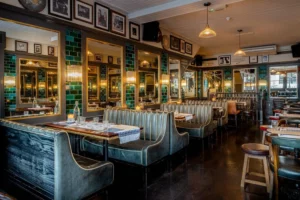
Every unit is a flat first: proper storage, a kitchenette that makes breakfast-out optional, laundry access, and tech-led self-service (app keys, app everything) that trims the front-desk ceremony. Around that sit the club floors, bars, lounges, gym, pool and wellness space, open to residents and local members, which supply the social-hotel energy the flats deliberately lack. Design press on the Covent Garden opening converged on one phrase, British maximalism: theatrical colour, pattern-on-pattern, a wink at the surrounding theatreland, a deliberate rejection of beige-aparthotel taste. Rates float with stay length, nightly pricing in the upper-boutique band with the economics improving sharply by the week and month, and the brand’s pitch is explicitly that a fortnight here beats a fortnight in a conventional four-star on both cost and sanity.
What the early record says
Opening-year feedback runs enthusiastic with sharp edges, typical of a new build finding rhythm. The praise: the flats’ liveability (guests on long stays are the five-star heartland, the kitchen-and-laundry arithmetic selling itself), the location’s obvious power, interiors guests photograph compulsively, and club spaces that make solo business stays less monastic. The caveats worth knowing: app-first service delights the self-sufficient and frustrates guests who wanted a concierge in human form, a split the South Kensington record showed first and this one repeats; compact entry flats surprise those expecting apartment-sized apartments, the “flat” is philosophical as much as spatial at the lower tiers; Covent Garden’s own noise reaches lower floors facing the action; and new-opening wobbles (lift waits, housekeeping timing) appear in the early months’ reviews, trending downward as the building beds in. Nightly-rate value divides opinion; weekly-plus value mostly doesn’t.
Essentials
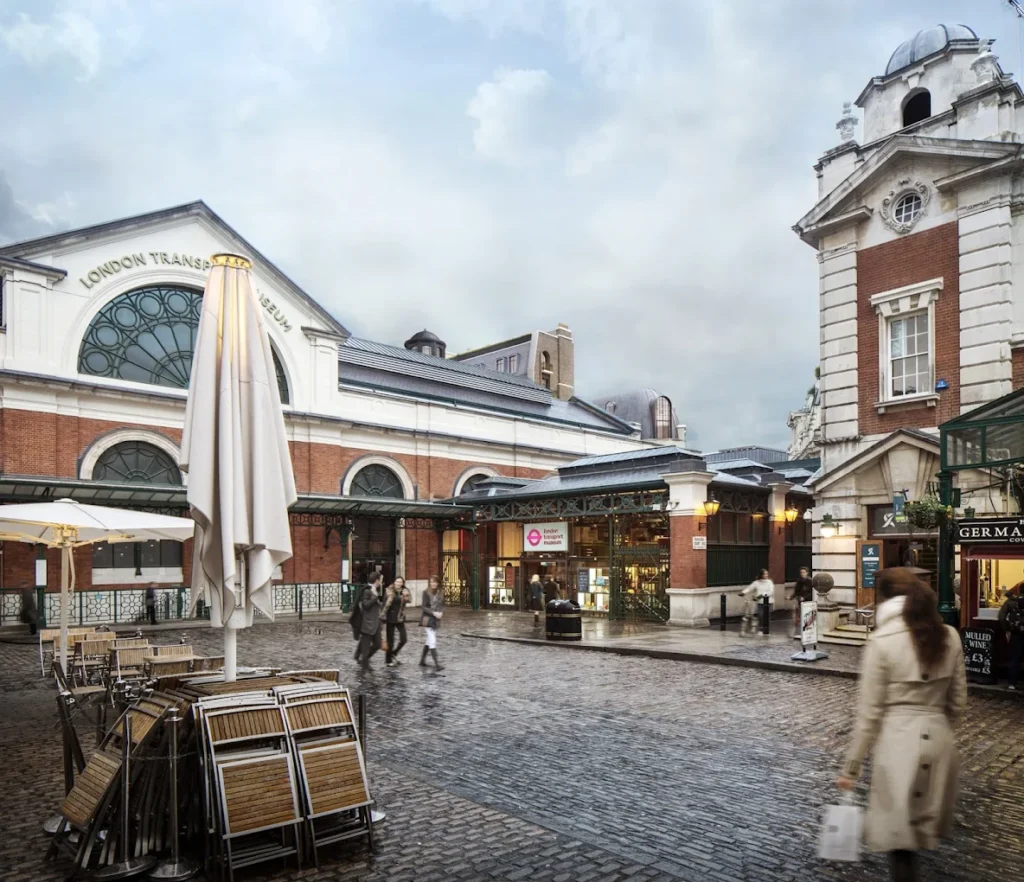
- Location: Covent Garden, in the thick of theatreland; the piazza, Royal Opera House and a dozen theatres within minutes
- Format: club flats from studio-scale upward; kitchenettes throughout; club floors with bars, gym, pool and wellness space; local membership sold separately
- Rates: upper-boutique nightly, improving materially for weekly and monthly stays; book direct for stay-length pricing
- Service style: app-led and light-touch by design; humans exist but you summon rather than pass them
- Best for: week-plus work stays, relocations and renovations, theatre binges, solo travellers who want a social building
- Less ideal for: one-night traditionalists wanting porters and turndown, space-hungry families at entry tiers
Frequently asked questions
Is it a hotel or serviced apartments?
Deliberately both and neither: apartment liveability, hotel-grade common spaces, membership-club social layer. The practical test from the record: if your stay exceeds four nights or involves a suitcase of laundry, the model starts beating hotels decisively.
How does it compare with the South Kensington original?
Same philosophy, louder setting: South Ken is the leafier, quieter residence; Covent Garden trades calm for walk-to-everything theatreland energy and turns the interiors up to match. Long-stay workers often prefer the original; culture-bingers, this one.
What’s the catch with app-first service?
Only expectation: check-in, keys and requests run through your phone, which the self-sufficient rate as friction-free and the traditionalist minority experience as absence. If you want a greeted arrival, say so when booking, humans are available, just not ceremonial.
Is the nightly rate worth it for a single night?
The honest answer from the record: the model’s value unlocks with length, and a one-nighter is paying for a kitchen they won’t use. For single nights, conventional boutique hotels compete well; from three-plus nights the comparison tilts here fast.
Verdict
4.2 / 5. The Other House Covent Garden takes the brand’s best idea, homes that behave like clubs, and plants it where visitors actually want to live for a week: among the theatres, dressed in gleeful maximalism, with flats that make hotel rooms feel like a swindle by night three. App-led service and compact entry tiers filter the audience honestly, and opening-year creases are smoothing on schedule. For the long-stay, the relocation and the theatre binge, it’s the smartest bed in WC2.