





A flickering light or a socket that feels slightly warm may not seem like much at first. Many people ignore these small signs, especially in older London homes where quirks are often treated as normal. However, these small problems can indicate a deeper electrical malfunction that cannot be seen when operating on a daily basis.
This is where a proper electrical safety check becomes important. It is not just about ticking a box or meeting a requirement. It is concerned with knowing how safe the electrical system in your home is. The fact is that many houses would fail this test when conducted in the present day. This article defines an electrical safety check, why so many homes fail an EICR, warning signs and how to minimize risks in London homes. Read on to learn more.
What Is an Electrical Safety Check That Homes Often Fail?
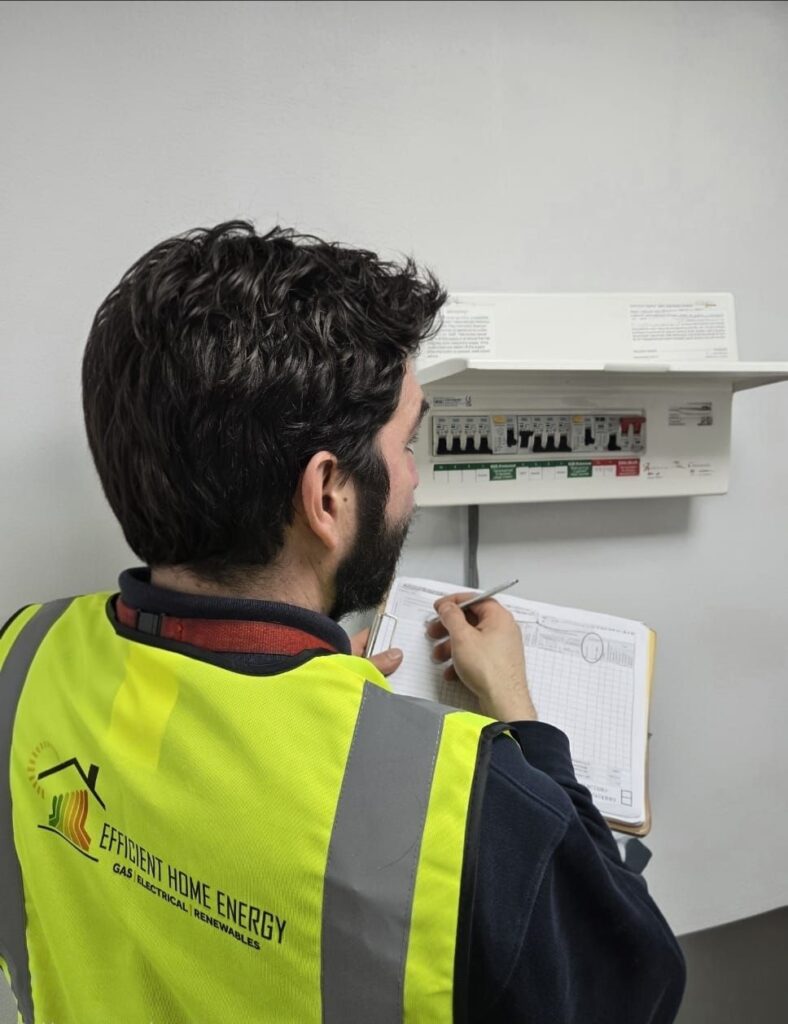
The most used safety test that most properties fail is referred to as an EICR (Electrical Installation Condition Report). A detailed examination of the fixed electrical system of a property, consisting of wiring, circuits, sockets, switches or earthing and consumer unit.
Unlike a quick visual check, an EICR involves proper testing using specialised equipment. It looks at how the system performs under load and whether safety measures are working as they should.
For rented properties, this type of inspection is especially important. The UK Government explains that landlords in England must meet electrical safety standards, including regular inspections of fixed wiring systems.
Why So Many Homes Fail This Test
Electrical systems do not tend to break down in the middle of the night. The problems normally accumulate over time, particularly in properties that have been modified or expanded and lived in by multiple occupants.
Some of the most common reasons homes fail include:
- Ageing or deteriorated wiring hidden behind walls
- Outdated consumer units without modern safety protection
- Poor-quality DIY electrical work
- Circuits that have been overloaded over time
- Lack of proper earthing and bonding
- Water exposure near electrical fittings
- Previous alterations that were never properly tested
London properties often present a unique challenge. Within one house, the wiring might be installed over a period of several decades, with more recent additions being integrated and not a full inspection of the system undertaken. This combination of new and old makes it more likely that faults will go unnoticed.
Warning Signs That Should Not Be Ignored
Although not every electrical issue can be detected, some present themselves at an early stage. Their neglect can lead to more issues in the future.
Look out for:
- Lights that flicker or dim without reason
- Circuit breakers that trip regularly
- Sockets that feel warm to the touch
- Burning smells near plugs or switches
- Buzzing or crackling sounds
- Discoloured or damaged outlets
- Mild electric shocks from appliances
The London Fire Brigade claims that mostly the reasons for electrical fires in residential buildings are overloaded sockets and defective wiring. These threats may begin on a small scale but will grow at a high rate and uncontrollably.
What Happens During an EICR Inspection
A proper electrical installation condition report is not based on assumptions. It involves a structured inspection and a series of tests designed to assess safety.
During the process, an electrician may:
- Inspect the consumer unit and protective devices
- Test circuits for faults and overload risks
- Check earthing and bonding connections
- Measure insulation resistance
- Test RCD functionality
- Assess overall compliance with current safety standards
The findings are then recorded using classification codes:
- C1- Immediate danger
- C2- Potentially dangerous
- C3- Improvement recommended
- FI- Further investigation required
A property will only pass if there are no serious issues that require urgent attention. For property owners who want to stay ahead of potential risks, arranging EICR certificates in London can help identify hidden faults early and avoid unexpected problems later.
Why This Matters for Everyday Living
Electrical safety is not a priority as most systems are operating silently in the background. Lamps are turned on, appliances are turned on and all seems well. But small faults can still affect daily life.
For example:
- A tripping circuit may indicate an overloaded system
- Dim lighting can point to poor connections
- Frequent fuse trips may signal deeper wiring issues
Electrical Safety First advises that even simple issues like overloaded sockets should not be ignored, as they can increase the risk of fire if appliances draw more power than the circuit can handle.
A Simple Check You Can Do Yourself
Professional testing is necessary, but you can already detect the initial issues with a simple visual examination. Walk through your property and check for:
- Cracked or broken sockets
- Loose switches
- Exposed wiring
- Extension leads used permanently
- Signs of heat damage
- Outdoor fittings without protection
These checks will not replace an EICR, but they can highlight areas that need attention.
When Should You Arrange an Inspection?
There is no single answer for every property, but certain situations make an inspection more important:
- Before buying a property
- After major renovation work
- If the property is older and has not been tested recently
- Before letting a property to tenants
- If you notice repeated electrical issues
To landlords, responsible property management involves keeping a record of inspections. For homeowners, it is about the security of the property and people living in it.
Final Consideration:
The most common reason why most of the homes fail an electrical safety test is due to one major thing. They just fail due to minor issues which have been overlooked over the years. An unfastened connection, a circuit overloaded or old wiring may remain unnoticed until one is properly inspected to be aware of the danger. Electrical safety check provides a better understanding of what is going on behind the scenes. It does not deal with the generation of unnecessary alarms.
It is whether the system which you depend on day in and day out is really safe. You may want to look more closely in the event that your property has not been looked at for years, or in the case that you have detected some warning signs. Waiting until something goes wrong is rarely the safest option.