






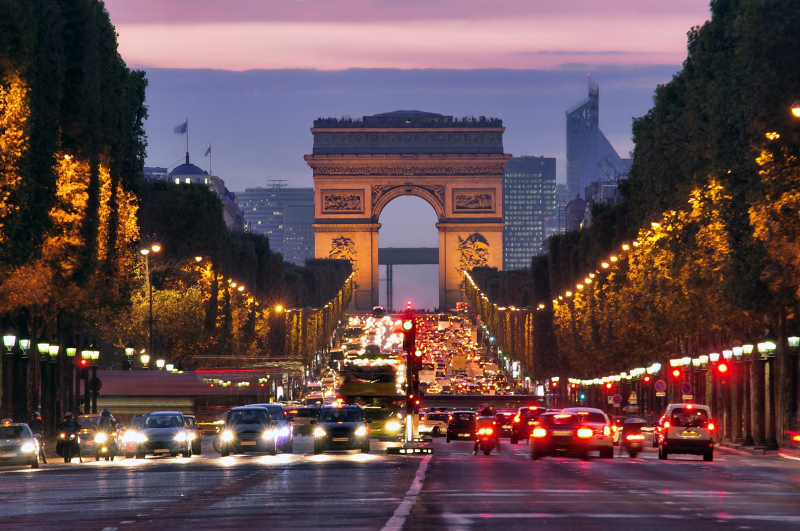

France’s culture has been influenced by geography, historical development as well as external and domestic forces and organizations. Since the 1600s and into the 1900s, France and Paris have been a large global hub for high culture in particular. Since the end of the 1800s, France has also contributed significantly to The areas mathematics, fashion, food, literature, technology and social sciences. Throughout the time, the importance of French culture has fluctuated due to its influence on politics, the economy and the military.
Previously, the Franks, a Germanic tribe affected, as well as Celtic and Gallo-Roman cultures, French culture. Originally, understood to be applied to the Western region in Germany, known as Rheinland, the term France eventually came to refer to a region called Gaul throughout the Iron Age and the ancient Roman era.
Then with French revolutionIt became the epicenter of enlightenment and was home to some of the most powerful royal families in the medieval and early modern times. With the advent of Napoleon, French influence grew throughout Europe and thereafter. In the 1800s and 1900s, it became one of the most important world powers and was at the center of both first and Second World War, all of which helped to form France that people know today.
Strong unifying impulses as well as significant geographical and social distinctions characterize contemporary French culture. France was identified as the nation with the fourth highest positive influence in the world (after Germany, Canada and the United Kingdom) in a global opinion poll conducted for the BBC 2014.