





image source, Getty Images
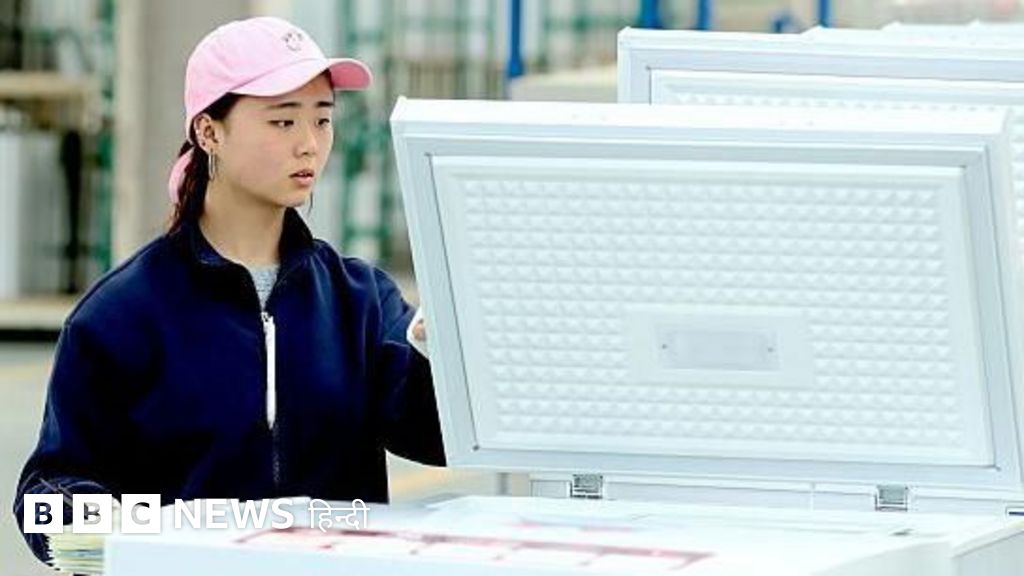
The atmosphere in the streets behind a major manufacturing hub in China is gloomy.
Some workers are standing under trees in front of shops and smoking cigarettes. Advertisements for temporary factory jobs are posted at these shops.
“No one understands what our lives are like,” says a laborer on condition of anonymity.
Another says, “We just keep working, we have no life. Please help us.”

This is a rare and risky appeal from a foreign journalist.
These people look very worried. They are struggling to earn enough to send money home.
At the same time, they are grappling with major changes taking place in China’s manufacturing sector, where cheap, mass-produced goods are being replaced by automation and advanced technology.
And all this was even when the war between America, Israel and Iran had not shocked the global economy.
China under pressure
image source, Wang Li/VCG via Getty Images
China’s economy was already struggling with the problem of slow growth and unemployment.
Donald Trump’s tariffs were imposed last year. Nevertheless, it showed strength, increased exports and recorded GDP growth of about 5 percent. But dissatisfaction continued to grow within.
Now the conflict in the Middle East is putting new pressure. This is affecting factory orders, costs and jobs.
In the city of Foshan, in the southern industrial province of Guangdong, the best option workers have is a few weeks’ work molding plastic or assembling mobile phone parts, which pays 18 to 20 yuan an hour. That means just a few dollars.
“I will try to find work elsewhere,” says a laborer from a rural area.
Most of the workers are above 40 years of age and are troubled by uncertainty.
China has sufficient oil reserves. It has been spared the worst effects of the fuel crisis due to the rise in renewable energy and electric vehicles.
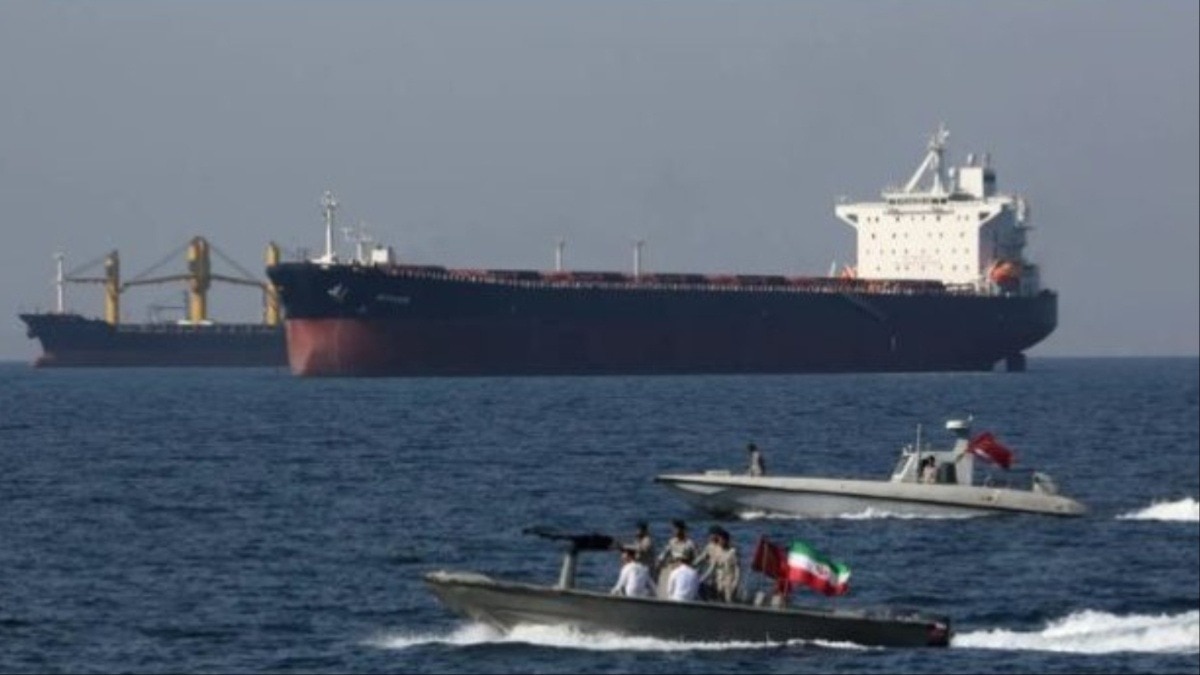
But due to the war, the Strait of Hormuz is being affected and this is causing a blow to the export-dependent Chinese economy.
A businessman who unloads bundles of clothes from trucks and sends them to factories says, “The cost has increased by about 20 percent.”
These clothes are made for global brands like Zara, Shein and Teemu.
This market of Guangzhou is the largest textile market in the world. It is an hour away from Foshan. Here on the roads, motorcycles are loaded with rolls of colorful clothes and small trucks keep coming and going with goods.
It is difficult to recognize the shops amidst the piles of nylon, polyester and silk, but the story of every shopkeeper and owner is almost the same.
This business depends on the cheapness and stability of oil. Because these clothes are made from petrochemicals only. Now the increasing oil prices are affecting the business.
“It means fewer orders,” says one trader. Some customers are refusing to pay higher prices, due to which the stock of clothes is accumulating in the warehouse.
If traders do not increase the price, they themselves have to suffer losses. Which is difficult for those working with less profits than before.
opportunity in disaster
A year ago, when the trade war was going on between America and China, there was an atmosphere of protest on the streets of Guangzhou. But this time people have compromised with the situation.
But even amidst uncertainty there are opportunities.
Buyers from all over the world are coming to the nearby Canton Fair.
Here robots wave hands and sing songs and people take selfies with them.
This is the same China, which wants to show the world the leaders of this country. Moving towards the future, creating new technology. While its rival is trapped in the war in the Middle East.
Here are AI glasses that claim to translate languages.
There are robotic legs that help in climbing mountains and many everyday gadgets.
But traders say that the price of all these is increasing because plastic is used in them, which is made from oil.
Still buyers are coming because it is necessary to run the business.
Amidst the fuel crisis, China’s lead in one sector is becoming more clearly visible. That sector is of electric vehicles.
In March alone, China exported 3.5 lakh electric vehicles, which is 30 percent more than February and 140 percent more than March last year.
The Middle East is a big market for China’s electric vehicles, but due to the war it has now become difficult to supply there.
Trader Joyce Liu says, “Last year, 90 percent of our vehicles went to the Middle East, but this year the business has almost stopped due to the war. Some vehicles are still stuck in Chinese ports.”
Now she is looking for new buyers in Africa and South America.
However, a delegation from Oman is still inspecting the cars and bargaining.
A representative says, “We want to cooperate with Chinese companies. It is difficult right now, but Insha Allah the war will end and business will be good again.”
No win situation right now
China also wants the same. Yu Ga of Chatham House, a London-based think tank, says that this war will strengthen China’s efforts to become self-reliant. But at present China is not in a winning position.
Still, China is trying to strike a balance. He also doesn’t want to upset Trump.
China is appealing for a ceasefire and encouraging Iran for talks.
Besides, he is also maintaining contact with the leaders of Gulf countries.
This is China’s attempt to show its diplomatic strength. To tell the world that it is now becoming a global power centre.
But these things have no special meaning for the workers of Foshan.
A laborer shows his Canton Fair pass and says laughingly, “I cleaned toilets there.”
He received 150 yuan (about $20) for 14 hours of work.
Published by Collective Newsroom for the BBC