


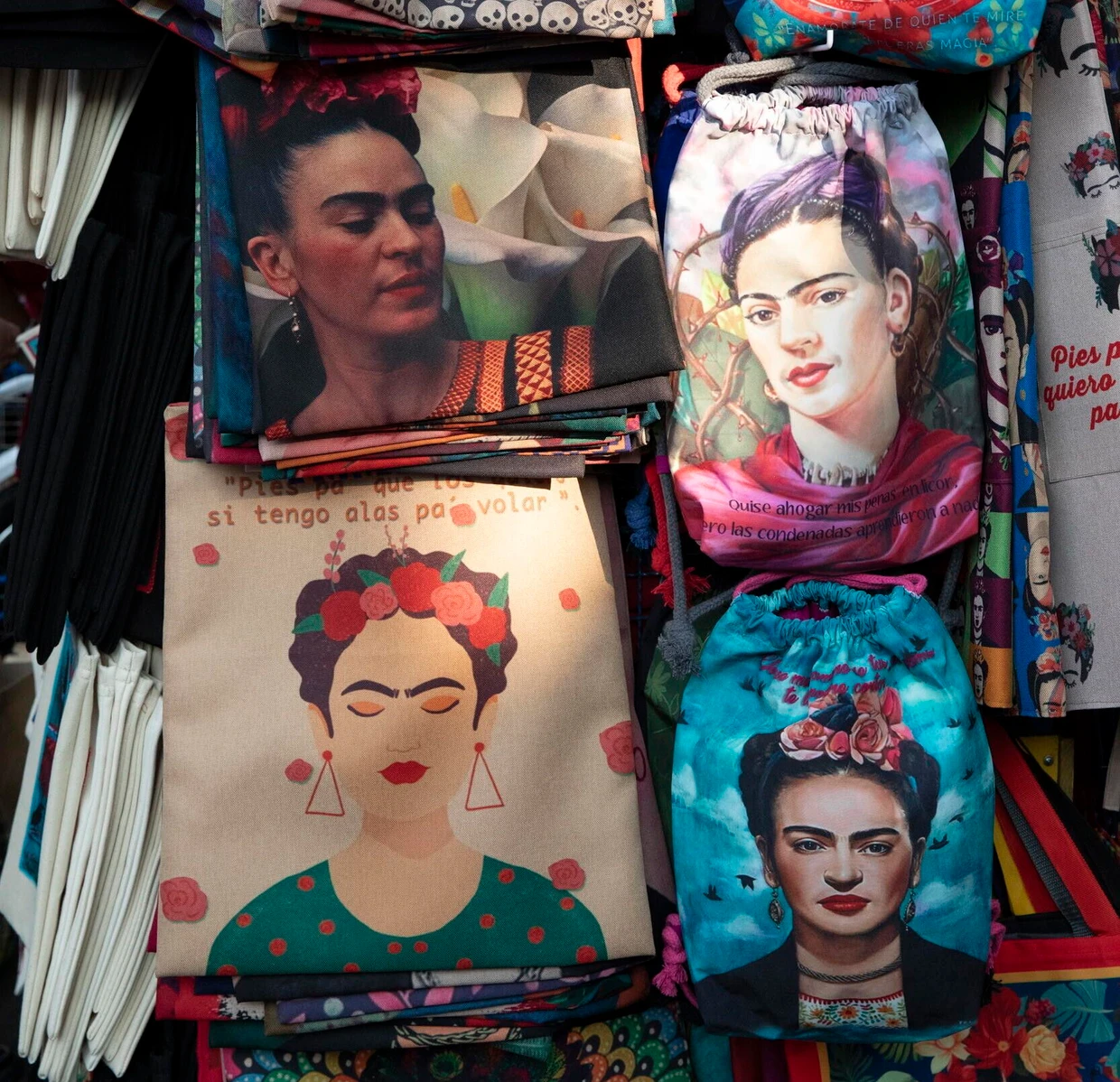





Her face adorns handbags, mini dresses or coffee cups, is emblazoned on refrigerator magnets, toothbrushes or perfumes, decorates flower pots, tequila bottles or carpets, peppers text messages as an emoji, is small on earrings, larger on bed linen sets and soon gigantic on the facade of an eighteen-story luxury apartment building in Miami dedicated to her: Frida Kahlo is simply everywhere, with flowers in her hair and with a hypnotizing look under her monobrow, serious and mysterious like a Mexican Mona Lisa, a female icon of the capitalization of her own art – even though the painter was a communist all her life, who first admired Leon Trotsky (and had him as a lover) and then admired Josef Stalin.
Long a global brand
But almost 72 years after her death, what Frida Kahlo herself set into motion is really coming through. Their perfect self-stylization has made them a globally recognizable brand that appeals to consumers emotionally and culturally on many different levels. Frida Kahlo, the daughter of a German photographer and a Mexican woman, was not without reason fascinating in front of the cameras of well-known photographers such as Nickolas Muray and Gisèle Freund.
She impresses as a feminine ethnic style icon as well as an androgynous beauty in a men’s suit of European tradition; is seen as a pioneer for the emancipation of women, artists and indigenous traditions; has presented herself as the mater dolorosa of her unborn children and those martyred for life by physical suffering after a traffic accident. She herself is the central motif of her own work, a profane martyr of art, but as a survivor.
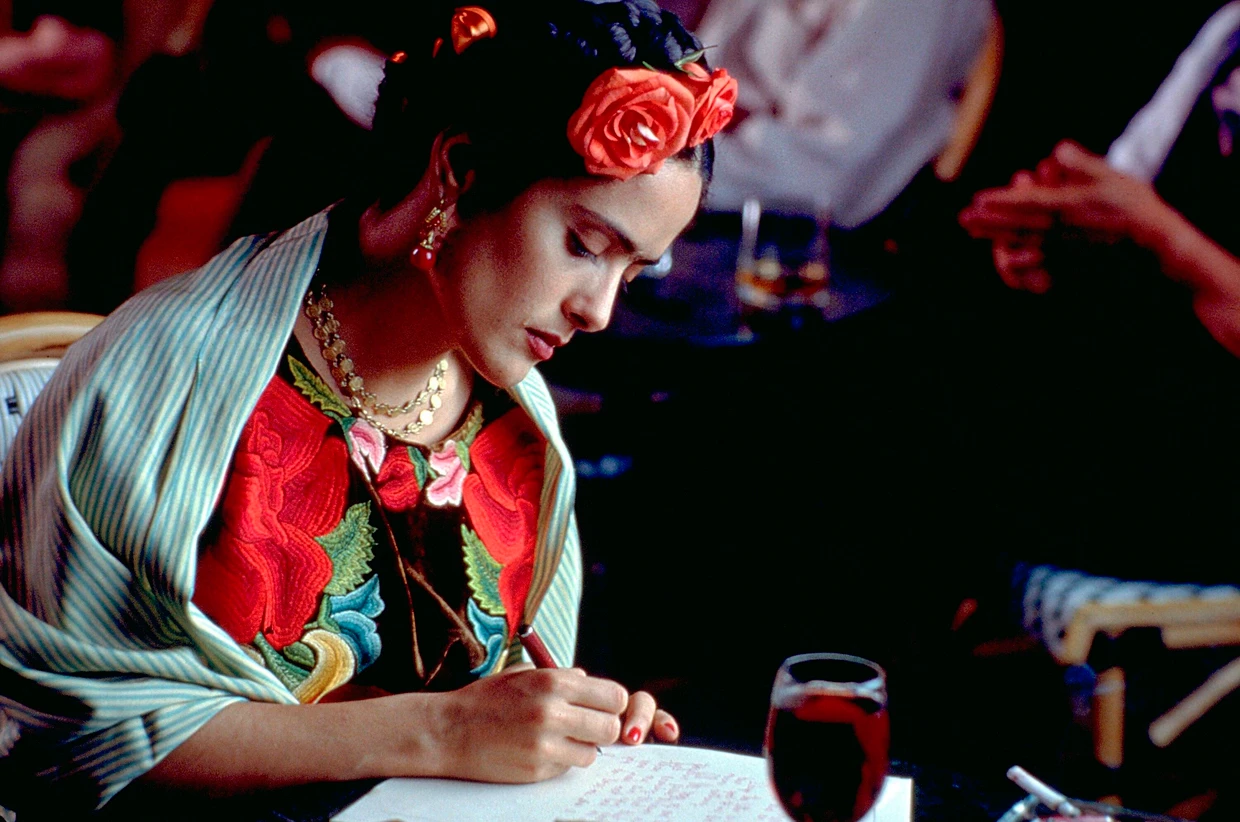
Posthumously connected to feminist, queer, class struggle or postcolonial discourses, but also to high fashion, Mexicana kitsch or Hollywood glamor – as in the 2002 “Frida” film with Selma Hayek produced by Harvey Weinstein – the wife of the painter Diego Rivera rose to become the most commercially successful artist of the moment – a sales champion in all price ranges. In the digital age of mass self-expression, your brand essence is something extremely highly valued: supposed authenticity.

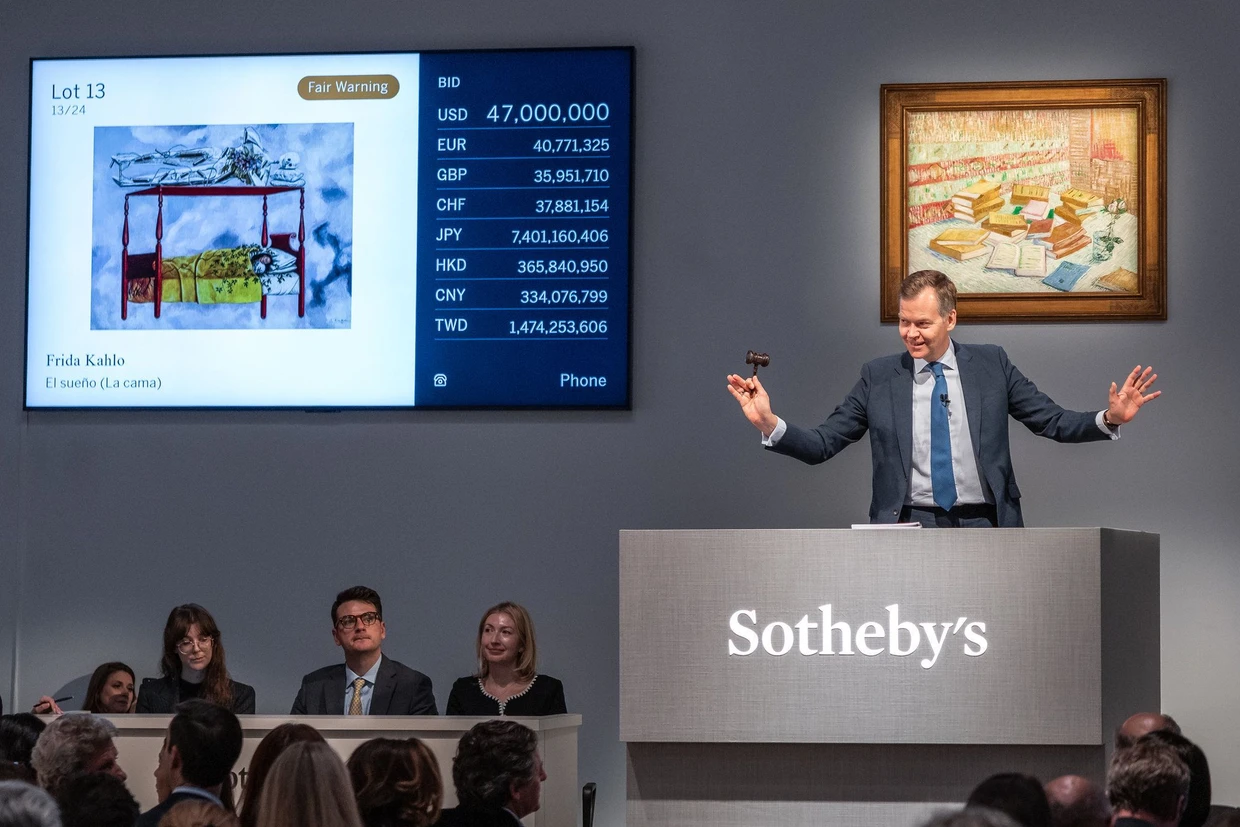
There is her self-portrait “El sueño (La cama)” from 1940, in heights unattainable for average earners, in which Frida Kahlo painted herself lying in a bed on whose canopy rests a cardboard skeleton prepared with explosives. Coming up for auction after half a century in a private collection, the comparatively small picture shot up to $47 million at Sotheby’s in New York last fall. The anonymous buyer paid $54.7 million with a premium.
Never before has a work by a female artist been paid for so much at auction. It was another huge price jump that followed the $34.9 million gross that the collector and museum founder Eduardo Costantini invested in 2021 for a self-portrait of the artist from 1949, in which the painter has Rivera’s face on her forehead. “Diego y yo” set the record for the most expensive work of art from Latin America ever auctioned in 2021. A good thirty years earlier, it was Frida Kahlo’s first picture to exceed the million dollar mark.

You can look at all of this in the context of a finally and rightly growing appreciation of female artists even in the top segment of the art market – who are nevertheless still heavily underrepresented. It can also be interpreted as the most luxurious expression of the pop stardom of an artist whose work followed her own style rules between naive painting and surrealism in the context of the avant-garde.
The legal situation is complicated
If one of her few original works – fewer than 150 oil paintings have survived, many are owned by the Dolores Olmedo Museum or the Casa Azul Museum Foundation in Mexico City – passes into other hands, only the previous owner and intermediaries such as dealers or auction houses benefit financially from the favorable relationship between supply and demand.
Since the beginning of 2025, seventy years after Frida Kahlo’s death, her works have been considered public domain or released from copyright in many countries. In many places, anyone is allowed to reprint their images on shower curtains, T-shirts or bracelets, such as the one former British Prime Minister Theresa May wore during a speech – as long as the name Frida Kahlo is not mentioned or trademarked images are involved.

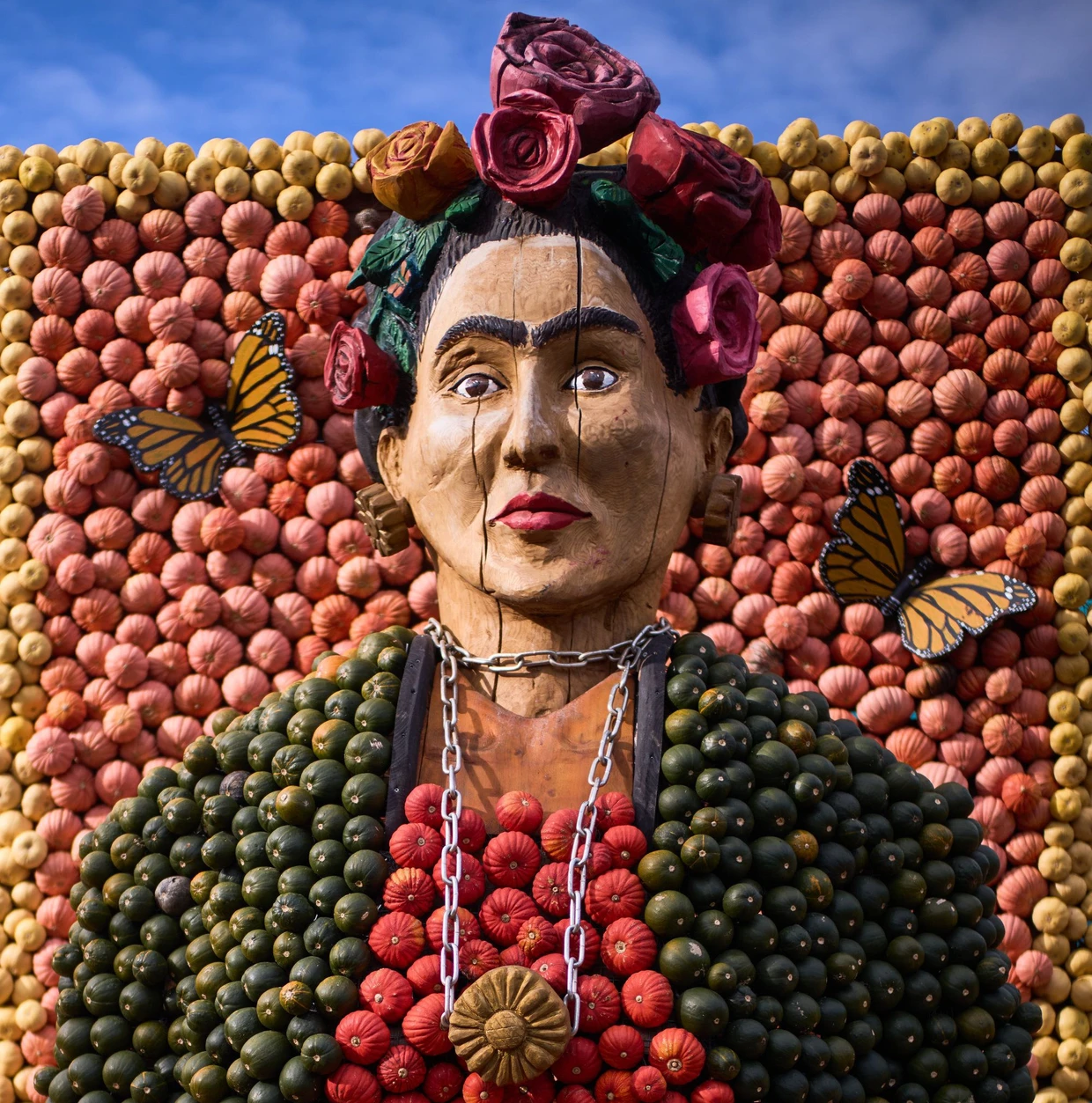
The name Frida Kahlo is registered as a trademark, which enables a business with licenses on a very large scale outside of the art trade. It is operated primarily by the Frida Kahlo Corporation, or FKC for short. It was founded in Panama around 2004 as a partnership between Frida Kahlo’s niece, Isolda Pinedo Kahlo, her daughter Mara Cristina Romeo Pinedo and the Venezuelan businessman Carlos Dorado, to internationally protect and market the rights to Frida Kahlo’s name, her signature and her initials. Trademark rights previously registered by the family members in the USA were transferred to the corporation. However, according to the New York Center of Art Law, some rights in Mexico remained with Mara Cristina Romeo Pinedo and were even added later. The idea behind the corporation initially: no licenses from the FKC without the consent of the family.

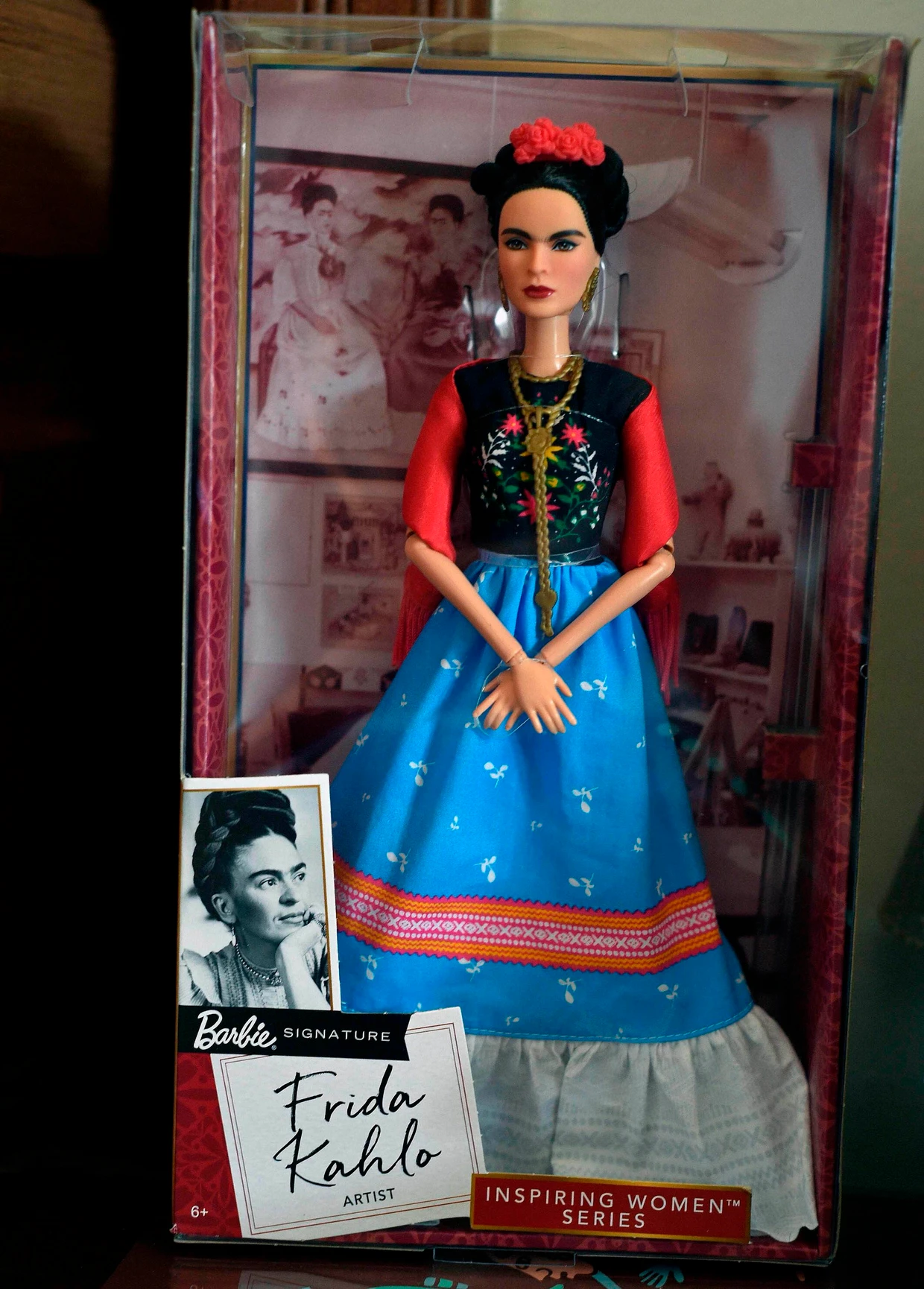
The unity was over at the latest when the FKC cooperated with the toy manufacturer Mattel in 2018 so that it could bring a Frida Kahlo Barbie (without a wheelchair and fused eyebrows) onto the market. Frida Kahlo’s great-niece and her daughter Mara de Anda Romeo successfully took legal action in Mexico by asserting their image rights – and a little later sold a virtual NFT ownership certificate of a brick from the family’s “Red House” in Mexico City, which they run as a museum, on the blockchain. Not much has come of the Frida metaverse that was announced at the time.
Lots of profitable licensing deals
Instead, the Frida Kahlo Corporation, in which Dorado holds the majority, continued to pounce, intervened against crafts inspired by the artist on the online sales platform Etsy and launched a series of highly profitable collaborations: for example for Frida Kahlo sneakers from Vans, Frida Kahlo make-up from Ultra Beauty, Frida Kahlo fast fashion from Shein and a whole cosmos of knick-knacks Amazon. The latest coup is the aforementioned “Frida Kahlo Wynwood Residences” real estate complex in Florida. Designed by architect Carlos Ott, it purports to convey Frida Kahlo’s “expressive spirit” and “her strength” in 244 furnished units priced from $490,000 to $1.6 million. “Inspired living, shaped by art and wellness,” is the slogan.
You can go to the shop at the bottom of the website
To associate wellness with Frida Kahlo, of all people, who was never free of pain after her accident, had to wear supportive corsets, lost a leg to gangrene and died at the age of 47, is quite cheeky. But the FKC continues to advertise on its website that it is committed to “communicating” and “preserving the artist’s legacy”. You can click on “Shop” further down on the page. Commercialization has now simply gone too far, although it of course also increases attention for art, another great-niece of Frida Kahlo recently told the London “Times”. Cristina Kahlo is a photographer and a daughter of Isolda Kahlo’s estranged brother Antonio Kahlo.

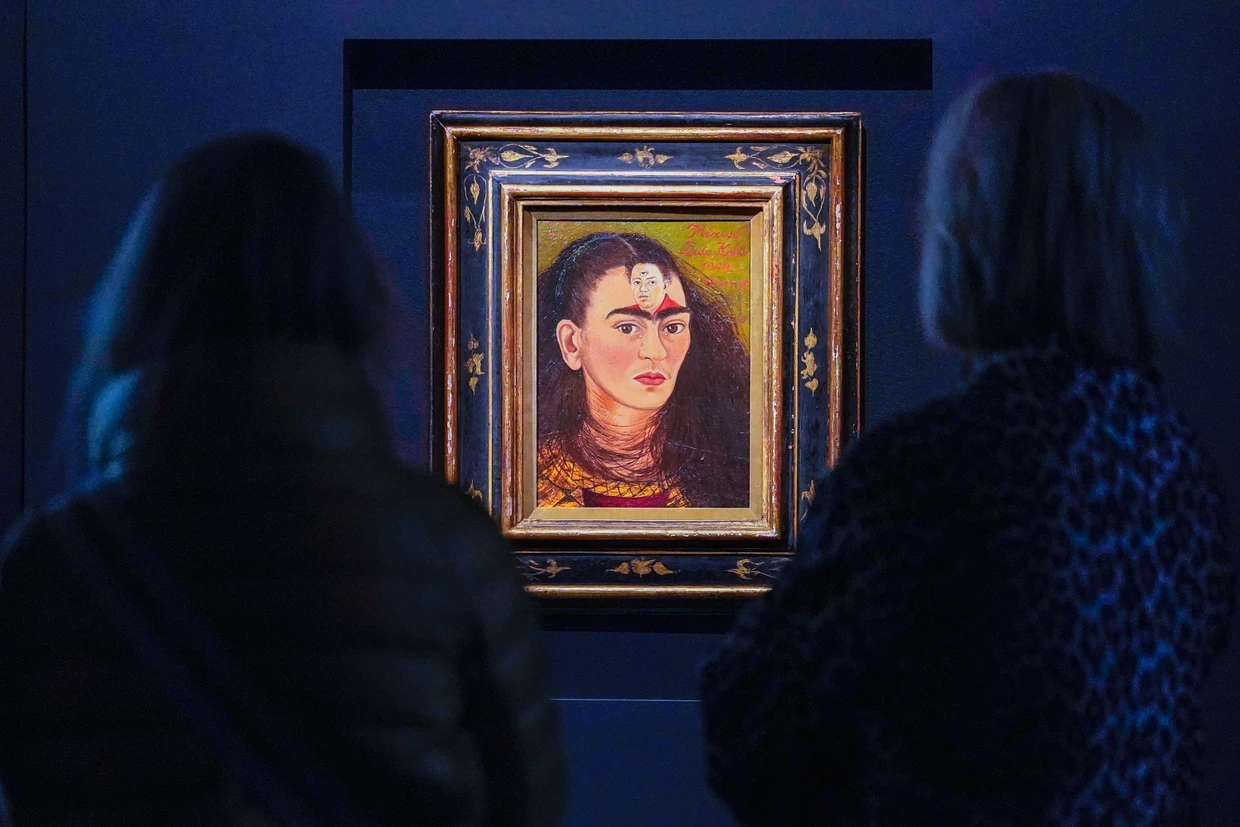
It’s hard to imagine that Frida Kahlo, whose first solo exhibition in Europe was organized by André Breton in Paris in 1939, only slowly became world famous decades later, fueled by Hayden Herrera’s monograph published in 1983. According to the Times, the art historian believes that the whole product fuss would, if she could see it, amuse the artist rather than outrage her.
Perhaps she is right in this view of the marketing carnival. When it comes to merchandising, alongside Frida Kahlo, even greats like Pablo Picasso and Vincent van Gogh – the latter also embodying the myth of the suffering artist – are downsized. With the Mexican woman, consumers not only experience the pain she exhibits, but also the enjoyment of maximum attention. Frida Kahlo is also given this in museum shops, for example in the increasingly popular Casa Azul in Mexico, at immersive spectacles or serious shows such as not long ago in London’s Victoria & Albert Museum, which presented Frida Kahlo’s clothes.
In June, a show from the Museum of Fine Arts in Houston opens at the Tate Modern: Under the title “The Making of an Icon,” it brings together thirty pictures by the painter – and is dedicated to the phenomenon of “Fridamania,” which makes so much money. The accompanying program includes a Mexican-inspired dinner by star chef Santiago Lastra.