





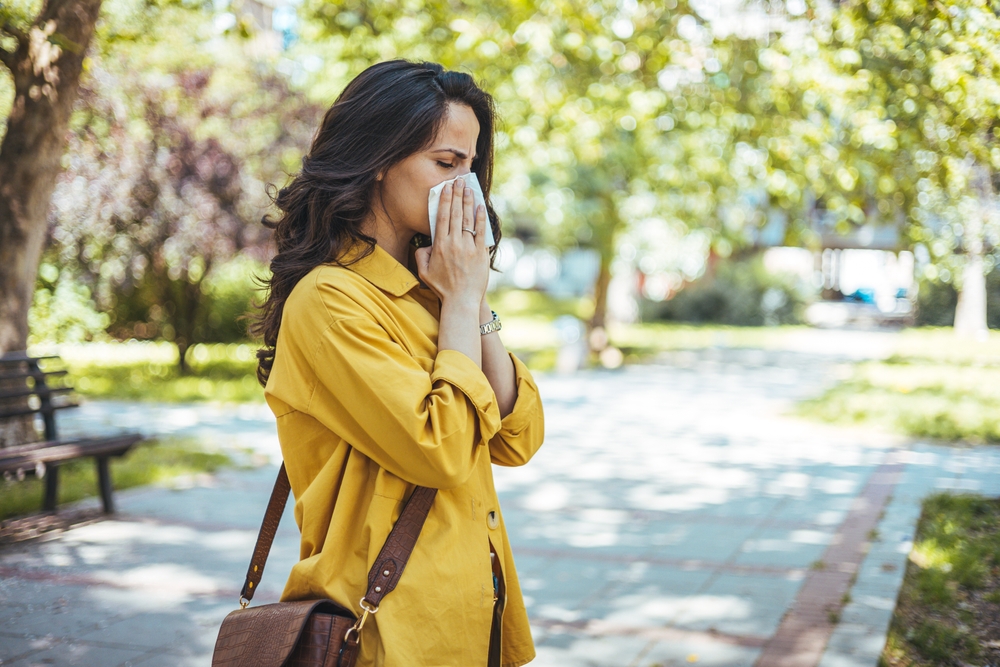
“It is likely to depend on your perspective,” says Airborne Allergen expert and Haymax’s obstacle obstacle to the creator of Balsam, Max Wiseberg, “but I think many people are surprised to learn what you eat and drinks can affect how much – how little – you suffer from hay threat.
So here are the most important food and drink changes that help reduce the symptoms of hay fever. “
“June and July are the peak season,” Max says. “Then the pollen of the grass is the highest and 95% of the sufferers of hay fever are allergic to grass pollen.”
“The fever of the hay is the result of our immune system overestimation to harmless antigens, such as pollen. The body’s reaction to pollen is to produce histamine. Normal quantities in the brain are good – they keep you vigilant, precise and awake. But when your bodies are too different, they are. Eyes, straight eyes, swollen eyes and throat. ”
“There are many foods that contain quercetin, natural antihistamine that prevents the effects of too many histamines in the body. Red wings, cherry tomatoes, cabbage, broccoli, apples and blueberries contain the highest amount. Aloe vera also has mild anti -styling properties;
“Reishi mushrooms have many benefits for hay fever patients. They are believed to be a lot of beta-glucan that positively affect the immune system and reduce inflammation. They are another food that presumably have anti-stinging properties.
“There are also foods and drinks that, unfortunately, contain histamine, chemical that sets the body’s allergy symptoms – unlike hay fever patients. Despite many health benefits, there is one food that contains histamine, so maybe save it for later use. worse. “
“Back to useful foods, pungent beet vegetables, horseradish, acts as a decongestant that helps cleanse the nose. Grated horseradish just adds a great kick to meals and vegetables.”
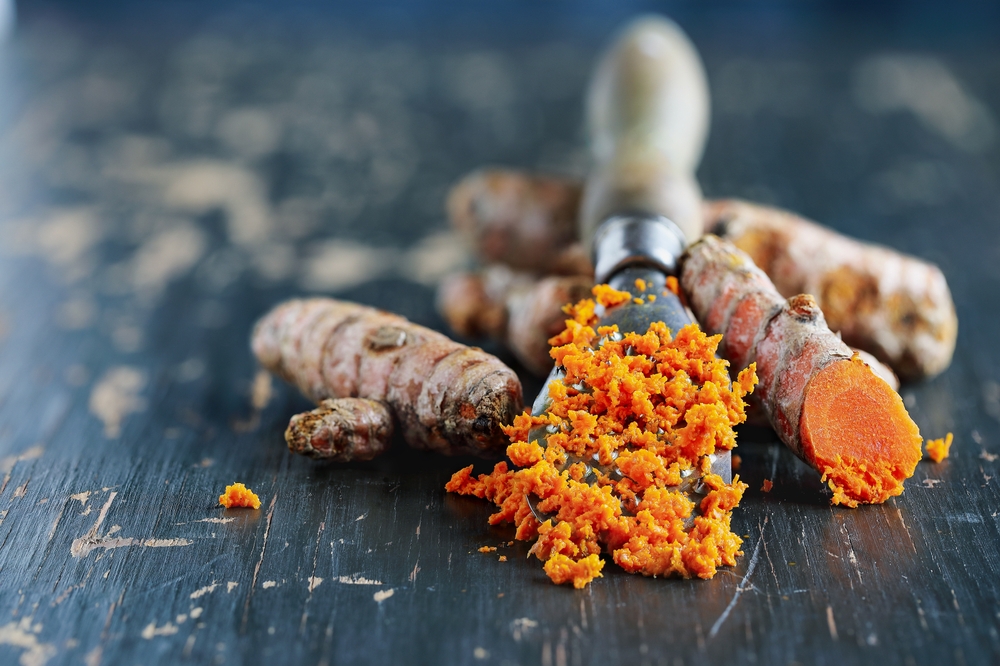
“Turmeric, the commonly used spice in the Middle East and Asian cuisine contains curcumin, which has been found to have anti-allergic properties. Mostly dried forms can also be purchased fresh. Put your rubber gang (it stain!), Peel section and grate, then add about two rice equipment, mix or soups.
“Make sure you eat berries, cherries and lots of fruits and vegetables, preferably raw, but if not as subcutaneous as possible; the less they are cooked, the more they have goodness.”
“Avoid dairy drinks because they are mucus -producing; the extra mucus is exactly what you do not need if you suffer from hay fever. Instead, drink water, fruit tea, herbal tea or caffeine -free tea.”
“The ailizin root can facilitate nasal inflammation and redness, and is also believed to be viral and anti-bacterial properties that can help increase the body’s immune response to hay, dust and pet allergies. It can be drunk with herbal tea.”
“Calendars, chamomile, ginger, peppermint and green tea are all reputable to alleviate the symptoms of hay fever. Ginger and green tea both act as natural antihistamines, while peppermint helps to reduce congestion.”
“Of course, all these foods and drinks that are useful for hay fever patients only help to reduce the symptoms of hay fever. Avoiding allergens is primarily key. If you are allergic to dairy products, you avoid dairy products, and it is the same as the pilen Balmit-Balm-Balm-Balm-Balm-BalmiGris (www.haymax.biz) has been shown in more than a third of the pollen (1).
Summer recipe: roasted cauliflower soup with tartar, cream and lemon pepper