





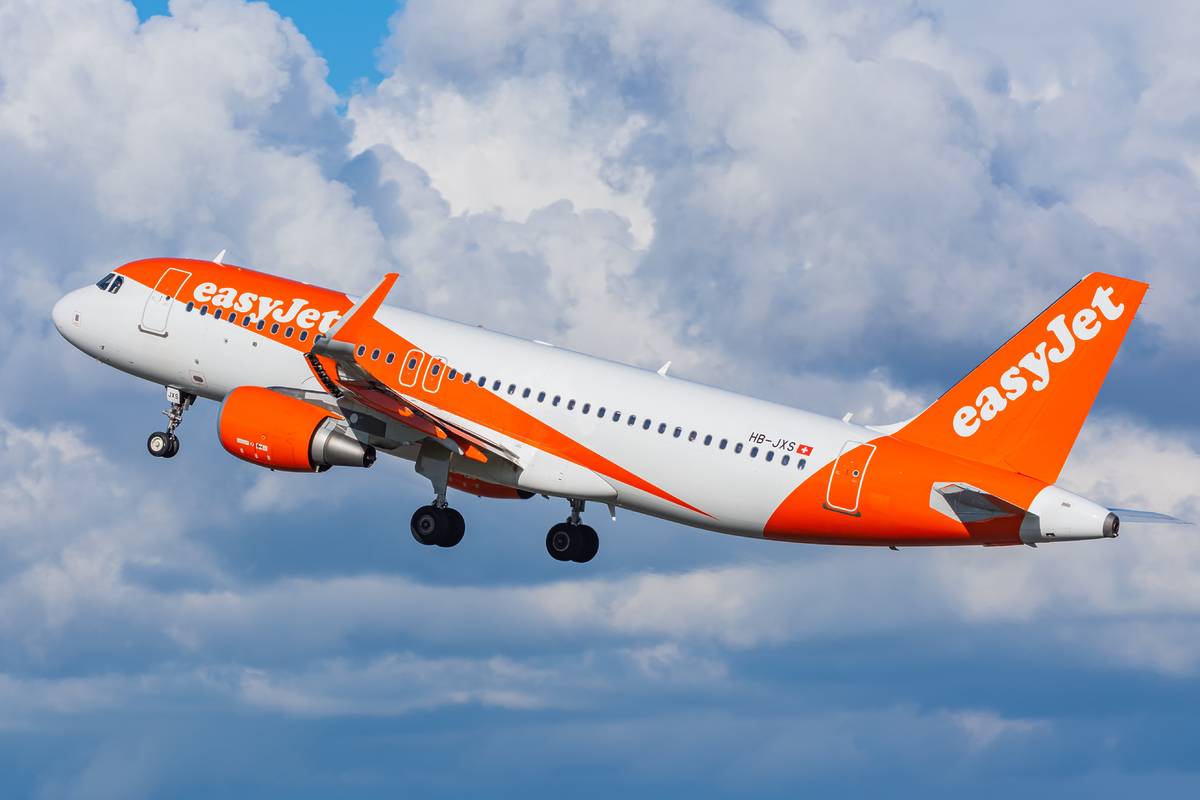
EasyJet has been forced to cancel more than 660 flights this July due to severe disruption caused by ongoing French air traffic control (ATC) strikescompounding travel chaos for holidaymakers across Europe.
The industrial action started in early July – not only grounded planes flying to and from France but also impacted overflights, affecting many routes between the UK and other European destinations.
Easyjet flight cancellations
The low-cost carrier confirmed that it cancelled 124 flights on one day and 150 the next as strike action escalated, with passengers receiving direct notifications and being offered free transfers or refunds.
EasyJet strongly advised travellers to check their flight status before heading to the airport and warned of possible further disruptions over the coming days.
EasyJet reported a direct hit of approximately £15 million to its earnings due to the disruption, describing it as a significant, unexpected cost that will impact annual profits.
The strikes have triggered a summer of record delays and have particularly affected those travelling between the UK and Europe during the holiday season.
EasyJet and Ryanair joined in appeals to the European Commission for long-term solutions that would protect passengers from repeated ATC disruptions. Both airlines want overflights to remain protected during national strikes and for ATC services to be fully staffed, especially during busy departure periods.
Advice for affected travellers
Travellers impacted by the cancellations are being reassured that customer care remains a priority, with easyJet offering alternative options and guidance through its website and customer service channels. The airline also reminded customers that any compensation related to disruption will be assessed in line with existing EU regulations and the specific circumstances of each case. If your flight has been canceled or you suspect it may be delayed:
- Check flight status regularly: Monitor easyJet’s website or app for the latest updates before traveling to the airport.
- Act quickly on notifications: If you receive a cancellation or delay alert, log in to your booking immediately to explore rebooking, transfer, or refund options.
- Know your rights: EU regulations may entitle you to compensation or care (such as meals or accommodation) depending on the circumstances—review easyJet’s passenger rights section for guidance.
- Keep documentation: Save all emails, notices, and receipts, especially if you incur extra costs; this will support any claims for compensation or reimbursements.
- Travel insurance: Ensure your policy covers strike-related disruptions and understand the process for making a claim.
- Consider alternative routes: Check nearby airports or alternative flight providers, especially if traveling for time-sensitive reasons.
- Contact Customer Service: If needed, reach out directly to easyJet’s customer support channels for personalised help and advice.
- Allow extra time: Plan for longer travel times and possible additional delays if traveling to or through France, especially during periods of ongoing strikes.