





By Amelia Wilson · Updated November 2026. This guide draws on diner feedback across Google, TripAdvisor and HappyCow, and the diner’s published menus. London Reviews does not accept payment or hospitality from the businesses we cover.
Rudy’s built its name on a provocation: a vegan butcher, first as a Camden counter selling plant-based “meats” made in-house, then as the Islington diner where those seitan pastramis and facon rashers get their full American-diner staging. The result remains the London benchmark for a specific genre, vegan junk food that aims squarely at the deli-counter nostalgia of New York, and the Upper Street room still draws queues of people craving a Reuben they thought veganism had cost them.
What it is
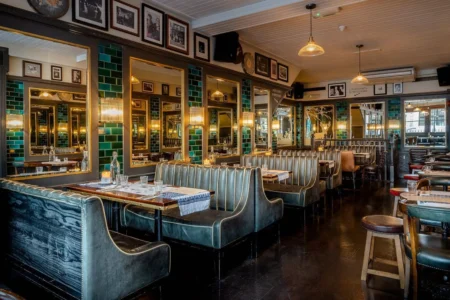
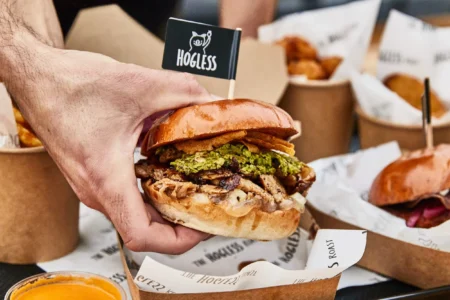
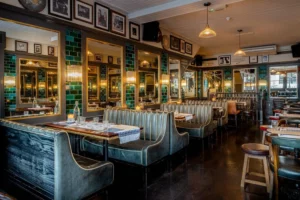
An American diner in format and faith: booths, shakes, all-day brunch energy, and a menu built on Rudy’s own seitan and soy craft, the Reuben (house pastrami, kraut, Russian dressing on rye) that owns the review record, the dirty burger tier with facon and cheeze, chick’n and waffles, loaded fries, breakfast plates of full-English ambition, and shakes that take dessert’s job seriously. The in-house “butchery” is the differentiator: these aren’t catalogue substitutes but made-for-purpose meats, and the texture gap to the mass-market products is what first-timers remark on. Spends run diner-honest: mains £12–£16, a full feed with a shake £25–£35 a head.
What the record says
The praise is genre-defining: the Reuben is routinely called the best vegan sandwich in London (and by lapsed New Yorkers, the best Reuben full stop in their new postcode), the house meats convert omnivores whose benchmark is the real deli counter, staff warmth recurs, and for homesick Americans and transition-stage vegans alike it’s a comfort-food embassy. The honest counters: this is deliberately heavy food, “I need a nap” is practically a rating category, and lighter eaters order one dish between courage and regret; prices run a notch above the diner aesthetic (the artisan-seitan economics showing); weekend brunch queues are real; and diners seeking vegetables in their vegan food are, by the house’s own joyful admission, in the wrong restaurant. Occasional consistency wobbles at peak crush fill out the three-star tail.
Essentials
- Address: 73 Upper Street, Islington, N1 0NU; Angel tube minutes away
- Food: fully vegan American diner: house-made seitan pastrami and facon, burgers, chick’n, shakes, brunch
- Prices: mains ~£12–£16; ~£25–£35pp fed and shaken
- The order: the Reuben, dirty fries, a shake; brunch plates at weekends
- Booking: taken and wise for weekend brunch and evenings; walk-ins fine off-peak
- Good for: vegan comfort cravings, converting deli-sandwich sceptics, American expats, hangover brunches of conviction
Frequently asked questions
Is the Reuben really that good?
It’s the single most-praised vegan dish in north London’s record, and the praise is specific: the house pastrami’s texture and the sandwich’s structural correctness. Sceptics should order it first and argue after; most don’t argue.
How does it compare with London’s other vegan junk spots?
The in-house butchery sets it apart: where rivals assemble from the same wholesale substitutes, Rudy’s makes its meats, and the record tastes the difference. For deli-American specifically, it has no serious London rival; for burgers alone, the field is more crowded.
Is it good for non-vegans?
It’s practically designed as the gateway: the food speaks diner, not doctrine, and the record’s conversion stories are its best advertising. Bring the sceptic hungry.
Is there anything light on the menu?
Honestly, little, and pretending otherwise would misread the mission. Salad-seekers should look elsewhere; this is the full-fat (plant-fat) American songbook, played loud.
Verdict
4.3 / 5. Rudy’s remains the London benchmark for vegan Americana: house-crafted meats that close the deli gap, a Reuben with a genuine claim to city-best, and a diner room that treats indulgence as the point. Heavy by design, priced for its craft, queued at brunch, all terms the faithful accept gladly. The butcher’s provocation grew into an institution, and Upper Street is luckier for it.