





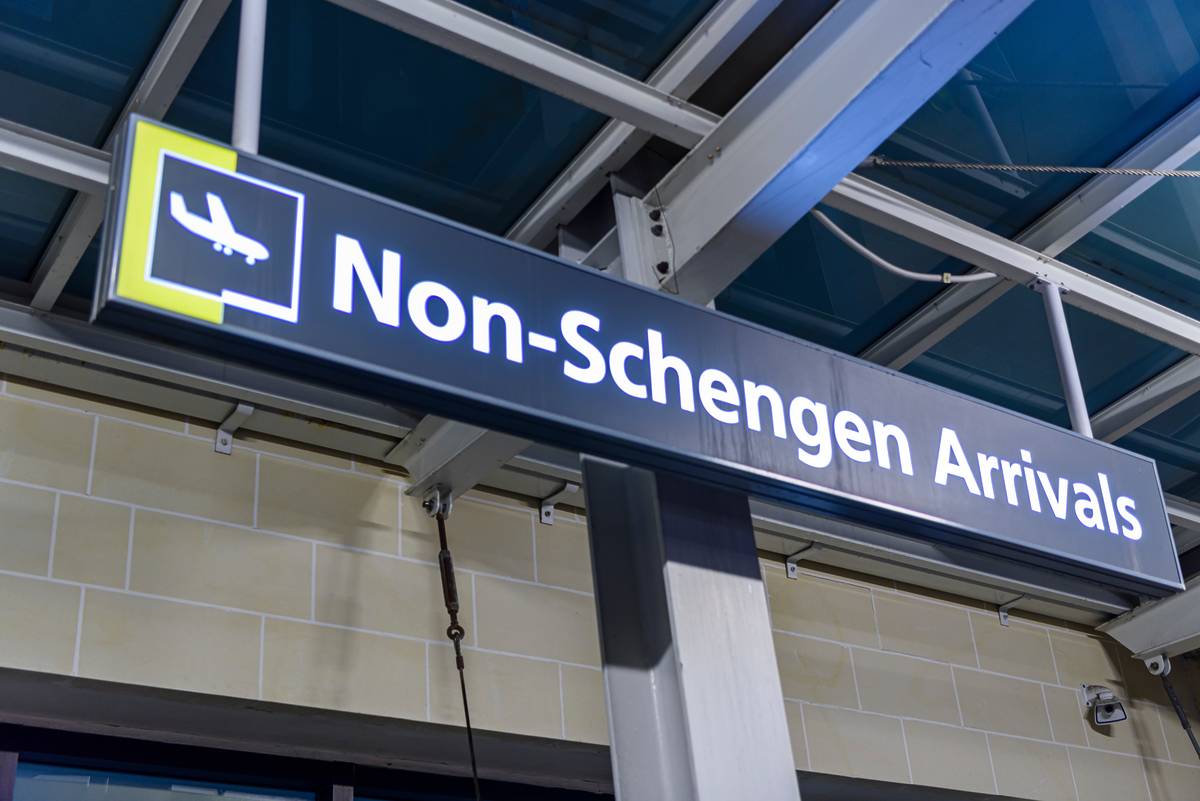
Ready for a summer or autumn getaway to Europe? If you’re planning to cross borders into France, Italy, Spainor any of the Schengen Area’s 27 travel-friendly countriesthere’s been a change to a rule you should know about before you start packing.
As of 18 September 2023, introduced by the European UnionUK citizens travelling to the EU were originally meant to pay a €7 visa-waiver.
The change came with the launch of the European Travel Information and Authorisation System (ETIAS)a new security and screening system inspired by similar programs in the US and Australia.
For millions of British holidaymakers, city-break fans, and business travellers, it marked the biggest shake-up to cross-channel travel since Brexit. The relaxed days of simply hopping on a Eurostar or budget flightwaving your passport, and heading straight to the Mediterranean (or anywhere else in Europe’s passport-free zone) are officially over.
A new change to the ETIAS travel authorisation fee
Originally set at €7 per personthe ETIAS travel authorisation fee has now been increased to nearly triple that amount, costing €20 per eligible traveller. Children under 18 and adults over 70 are exempt from the charge, so for a family of four travelling with two children, the total fee would be €40.
The ETIAS scheme is designed to increase border security by screening travellers from visa-exempt countries (like the UK, US, Canada, and Australia) in advance. It applies to short-term visitors for holidays or business trips up to 90 days within any 180-day period. For longer stays, standard visa procedures remain in place.
When does the new ETIAS travel authorisation fee come into place?
Although initially scheduled for launch in 2024, the rollout has been delayed to the final quarter of 2026. A grace period will follow, so the travel permit is unlikely to become compulsory until sometime in 2027.
Which countries require ETIAS?
The ETIAS will be digitally linked to passports and required for entry into Schengen countries, including Austria, Belgium, Denmark, France, Germany, Italy, Spain, and many others.
Most applications are expected to be approved automatically within minutes, though some may be denied for reasons such as invalid passports or flags in security databases. Travellers are advised to apply through official channels once ETIAS becomes available to avoid scams and delays.
This new system marks a significant change for UK travellers and others visiting Europe’s visa-exempt countries, streamlining security while adding a new step to the journey.
So, before you book that Paris escape or Barcelona sun break, make sure to tick off this new requirement and avoid unwanted surprises at the border.