






Juggernaut Tracey Emin show A Second Life opens at Tate Modern at the end of February. Here are our thoughts on what may prove to be one of 2026’s biggest art world hits.
What’s the deal with Tracey Emin?
On the eve of the press preview, I clocked a gaggle of people gathered around a billboard off Bermondsey Street. They were taking photos of a neon ad for A Second Life, which doubled up an artwork — engaging with the show before it has even begun. That tells you everything you need to know about Tracey Emin’s moth-to-a-flame clout; when you think about it, her work has become lodged into the fabric of London — from the doors of the National Portrait Gallery to the I Want My Time With You motto that greets thousands of Eurostar-debouched travellers every day. Tracey Emin is a big deal, and has been for some time.
Is it a London show then?
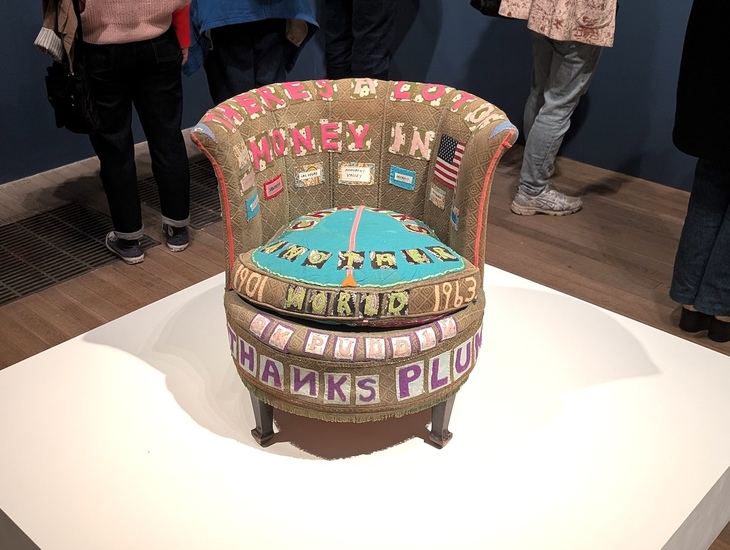
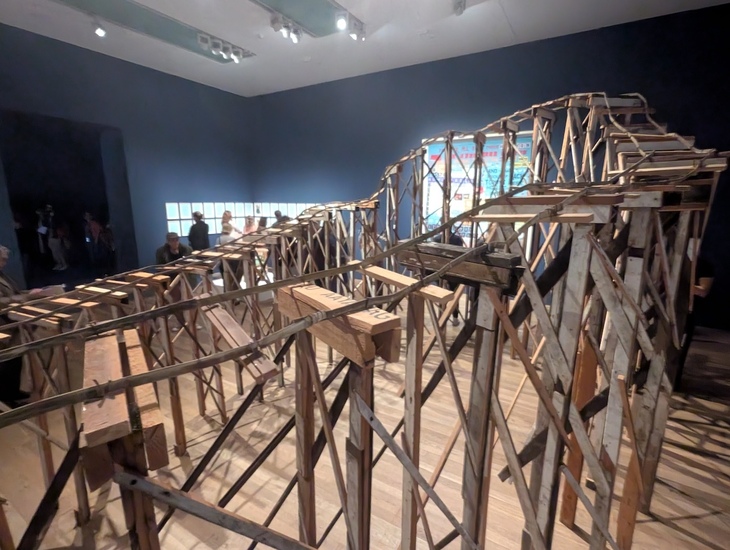
More like a Margate one. Though she was born in Croydon, Emin’s heart is firmly sunk into the sandy shores of Kent: from the get-go Margate is a recurring motif in A Second Life; grainy shots of seaside arcades overlaid with Emin’s almost-offhand accounts of being raped as a 13-year-old. An old nickname, ‘Mad Tracey from Margate’, is threaded into a patchwork blanket, while It’s Not the Way I Want to Die is a seaside big dipper of a sculpture, oscillating its way through a good deal of one of the exhibition halls. “Using the word Margate in my work is something I’ll never let go of,” says Emin, “I’ll never let go of where I grew up, even when it was cruel.”
What’s the ‘Second Life’ aspect?
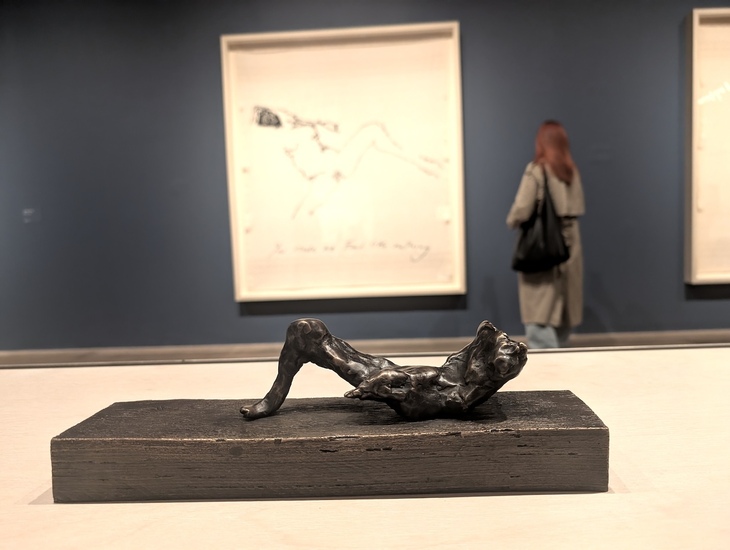
In 2020, the artist was diagnosed with an aggressive form of bladder cancer, for which she had life-saving surgery (and, naturally, documented it, notably in a highly candid set of photograph self-portraiture). A Second Life is essentially one big walk-through diary — a saga of abusive relationships, depression, false pregnancies and very real abortions — which pulls you towards Emin’s brush with death, then onwards to sunlit uplands, with post-surgery canvases bleeding with love and lust. Simultaneously, these newer pieces continue to acknowledge the loitering figure of the Grim Reaper; Emin has even preemptively cast her own death mask.
What’s the highlight?
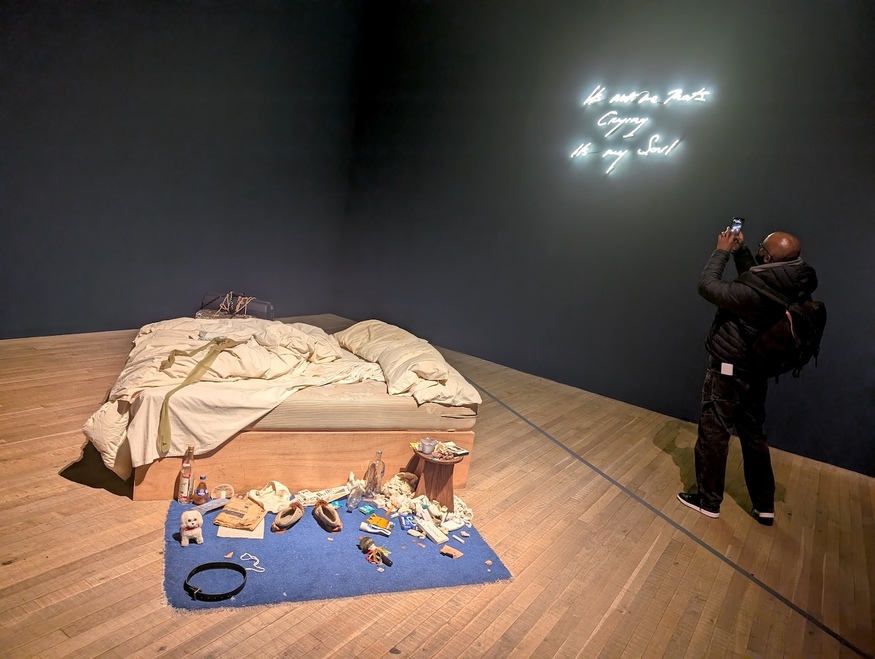
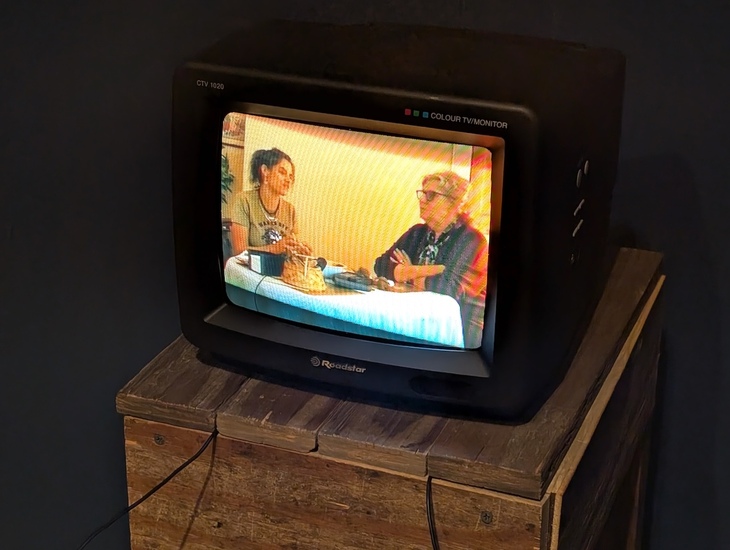
It’s an obvious answer, but it’s 1998’s Turner Prize-shortlisted My Bed, Emin’s underwear-strewn living sculpture — frozen at a time when she sunk into a depression so deep, she didn’t have the strength to leave the bed — and which prompted an outbreak of worldwide pearl-clutching. Art collector Charles Saatchi foresaw its importance, shelling out £150k for My Bed back in 2000 — and a quarter of a century on, a hell of a lot more people now respect it for the establishment-disassembling eff you that it is. (Ironically, Emin never intended to display it for the Turner Prize in the first place.) There’s also a surprising (and much needed) moment of levity in a filmed chat between Emin and her mum, in which they discuss Emin’s unorthodox upbringing and the advantages of having a baby over a cat.
And the lowlights?
Emin’s own life is beaded with lowlights (you will come out the other end feeling you’ve been in an emotional tumble dryer), but this show has few. The sheer eclecticism alone is inspiring. A Second Life is maybe guilty of under-curation; while you can tune into bonus audio, the panels are sparser than is ideal. A flick through the official exhibition book in the gift shop immediately reveals things it would have been to nice to see up on the walls. To quote Emin from that book, as she speaks about her studio: “So my second life is this, now. I sometimes think I died, and this is heaven.” Her studio, it goes without saying, is in Margate.
Tracey Emin: A Second Life, Tate Modern, 27 February-31 August 2026
All images by Londonist.