






Introduction
MaxfulEdge has released an expanded set of market strategy insights aimed at helping investors better understand the dynamics shaping global equity markets and digital asset trading environments. The initiative introduces additional research resources and analytical perspectives designed to organize complex financial signals into accessible insights. As modern markets continue evolving through rapid technological change and increased global participation, structured market intelligence has become an important element supporting traders navigating both traditional financial markets and cryptocurrency ecosystems.
Financial markets generate vast quantities of information through continuous trading activity across international exchanges. Investors often evaluate price movements, economic indicators, sector growth patterns, and liquidity shifts when interpreting these environments. Within this landscape, platforms capable of organizing financial information into structured analytical frameworks help investors observe evolving trends with greater clarity.
The expansion of analytical resources reflects the growing emphasis on data-driven interpretation within modern trading ecosystems.
Global Market Dynamics
The research initiative introduced by MaxfulEdge explores several developments currently influencing investor activity across global markets. Analysts examining financial ecosystems frequently evaluate macroeconomic signals, technological innovation, and sector performance indicators when interpreting investment trends.
Equity markets continue reflecting broader economic developments, including advances in digital infrastructure, industrial innovation, and global economic expansion. Companies operating within rapidly developing sectors often attract attention from investors seeking to understand how technological and economic shifts influence market performance.
At the same time, cryptocurrency trading environments have grown into increasingly active financial ecosystems. Digital assets are now widely monitored alongside traditional equity markets as investors evaluate multiple asset classes when analyzing financial conditions. Changes in investor sentiment and technological development can influence trading activity across these markets simultaneously.
Understanding how these asset classes interact has become an important aspect of modern financial analysis. Observing correlations between equities and digital assets helps traders develop a clearer perspective on evolving market conditions.
Technology and Analytical Systems
Interpreting global financial markets requires technological infrastructure capable of processing extensive datasets. According to information released by MaxfulEdge, the analytical framework supporting its strategy research relies on computing systems designed to evaluate financial signals originating from both stock exchanges and cryptocurrency networks.
Financial markets produce continuous streams of trading data including price movements, liquidity levels, and sector performance indicators. Data processing engines analyze these signals in real time in order to identify patterns in financial activity. These analytical systems transform raw financial information into structured indicators that traders can interpret through monitoring dashboards.
Modern computing architecture enables digital trading platforms to analyze multiple datasets simultaneously. Analytical models evaluate relationships between historical performance trends, macroeconomic indicators, and sector growth patterns. By examining these variables together, systems can highlight trends that may influence market developments.
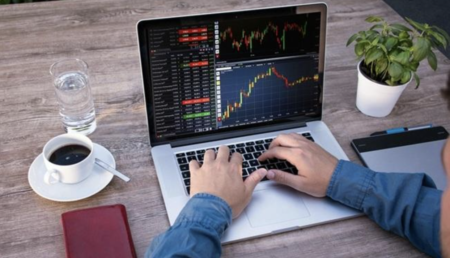
Visualization technologies further enhance the accessibility of these insights. Graphical dashboards translate complex datasets into charts and analytical indicators that traders can interpret quickly. These visual tools help investors observe developments across multiple asset classes within a unified analytical environment.
The integration of advanced data analysis technologies illustrates how digital infrastructure has become central to interpreting modern financial markets.
Infrastructure and System Reliability
Reliable infrastructure remains a fundamental component supporting analytical tools and trading functionality within digital financial environments. MaxfulEdge reports that its research systems operate on infrastructure designed to maintain consistent performance while processing continuous streams of financial information from global markets.
Financial exchanges operate around the clock across multiple regions, generating large quantities of trading data every second. Infrastructure responsible for managing this information must ensure that analytical systems remain synchronized with live market conditions.
Scalable computing architecture also helps ensure that digital trading platforms remain responsive during fluctuations in trading activity. Economic announcements, geopolitical developments, or technological events can increase the volume of financial data and market participation across global markets. Infrastructure capable of dynamically allocating computing resources helps maintain stable system performance during such periods.
Operational monitoring technologies further strengthen infrastructure reliability. Engineering teams responsible for maintaining digital trading environments continuously monitor server performance, network activity, and data processing pipelines to ensure efficient system functionality.
Stable infrastructure therefore provides the technological foundation required for delivering accurate analytical insights while maintaining dependable trading environments.
Trading Environment and User Experience
The trading environment supported by MaxfulEdge integrates research tools with systems responsible for trade execution and account management. These interconnected components help ensure that traders can observe financial developments while interacting with global markets through reliable technological frameworks.
Monitoring dashboards allow traders to track price movements, sector performance indicators, and broader market signals across both equity markets and cryptocurrency networks. These dashboards provide structured financial information through visual analytical interfaces designed to improve market visibility.
Account management systems represent another essential component of the digital trading ecosystem. Investors monitoring portfolio activity rely on platforms capable of maintaining accurate records of transaction activity and asset performance across multiple markets. Transparent account management tools contribute to building trust within digital trading environments.
Security infrastructure integrated within the platform further supports reliability and user confidence. Authentication technologies and monitoring systems help protect financial information processed within the trading environment.
By combining analytical insights with stable infrastructure and secure account management systems, digital trading platforms can create environments where investors interact with financial markets through transparent and dependable technological frameworks.
Industry Context
The release of expanded market strategy research reflects broader developments within the financial technology sector. Digital trading platforms increasingly integrate analytical research capabilities alongside infrastructure designed to support global market participation.
Financial ecosystems now operate through interconnected digital networks where information flows rapidly across equities, cryptocurrencies, and financial indices. Platforms capable of organizing financial information into structured analytical frameworks help improve transparency within modern trading environments.
Infrastructure reliability and data accuracy remain central factors influencing investor confidence in digital trading platforms. Systems capable of delivering accurate financial information while maintaining stable trading functionality contribute to strengthening trust among market participants.
As financial technology continues evolving, platforms focused on integrating analytical research with dependable infrastructure are expected to remain important components of global trading ecosystems supporting investors worldwide.
Disclaimer: Cryptocurrency trading involves risk and may not be suitable for all investors. This content is for informational purposes only and does not constitute investment or legal advice.