




Close Menu
London ReviewsLondon Reviews
  • Home
  • What’s On News
  • Going Out
  • Reviews
  • Spotlight
  • AI News
  • Tech & Gadgets
  • Travel
  • Horoscopes
  • Web Stories
  • Forgotten eBooks

Subscribe to Updates

Get the latest creative news from FooBar about art, design and business.

What's Hot
Who’s in the cast of SNL UK? The 11 comedians and hosts

Who’s in the cast of SNL UK? The 11 comedians and hosts

March 21, 2026
JD Wetherspoon plans to open up to 35 new pubs across the UK

JD Wetherspoon plans to open up to 35 new pubs across the UK

March 21, 2026
March: England’s mayors and ministers gather in West Country for first time | News and features

March: England’s mayors and ministers gather in West Country for first time | News and features

March 21, 2026
Facebook X (Twitter) Instagram
  • Privacy
  • Terms
  • Advertise
  • Contact
Facebook X (Twitter) Instagram
London ReviewsLondon Reviews
Subscribe
  • Home
  • What’s On News
  • Going Out
  • Reviews
  • Spotlight
  • AI News
  • Tech & Gadgets
  • Travel
  • Horoscopes
  • Web Stories
  • Forgotten eBooks
London ReviewsLondon Reviews
Home » March: skin immune response could be key to fighting dengue | News and features
Travel

March: skin immune response could be key to fighting dengue | News and features

March 20, 20263 Mins Read
Facebook Twitter Pinterest LinkedIn Tumblr Email Telegram WhatsApp
March: skin immune response could be key to fighting dengue | News and features
Share
Facebook Twitter LinkedIn Pinterest Email

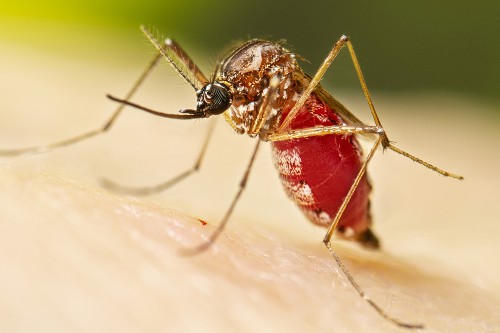
Dengue, a mosquito-borne viral disease, infects an estimated 390 million people and causes around 20,000 deaths worldwide each year. New research suggests the skin is a major site of immune surveillance for dengue. The findings could help in the development of more effective dengue vaccines.

The study, led by the University of Bristol in partnership with Duke-NUS Medical School, Singapore, has discovered that during dengue virus infection, T-cell responses are concentrated in the skin compared to the blood.

The research, published in Science Advances today (20 March), found patients with milder illness had more cytotoxic T cells in the skin and blood than those needing hospital admission, linking these cells, which kill virus-infected cells, to protective immunity.

The research team studied immune cells called T cells in the skin and blood of 73 people with dengue and 10 healthy volunteers. They found during dengue infection, the skin contains many more active T cells, including both CD4+ and CD8+ T cells, than the blood. These skin-based CD8+ T cells showed signs that they were becoming long‑lasting “resident” immune cells that stay in the tissue and provide a first-line defence upon reinfection.

People who avoided hospital admission had higher levels of CD8+ T cells in both their skin and blood, suggesting these cells could help protect against more severe illness. The findings highlight the potential benefit of vaccines that could boost these skin‑resident T cells to improve protection against dengue.

Dr Laura Rivino, Associate Professor in Immunology in the School of Cellular and Molecular Medicine at the University of Bristol, and corresponding author, said: “As dengue spreads worldwide, there is an urgent need to identify the immune responses that protect against infection and severe disease. Infection begins in the skin after a mosquito bite, yet we still know relatively little about the body’s immune response at this site.

“Our research has found T cell responses to dengue virus are concentrated in the skin rather than the blood, identifying the skin as an important site of immune surveillance. The findings could have significant implications for vaccination, and eliciting dengue-specific skin-resident CD8+ T cells could improve vaccine effectiveness.”

By analysing the unique “fingerprints” of T cells, the research found early evidence that the same types of T cells can be present in both the skin and the blood. This could mean they come from a common source, or that they move back and forth between these two areas.

More research is needed to understand this fully, but the study’s findings could help guide future therapies designed to boost protective T cells in tissues where they are most needed.

In a previous study the research team showed, for the first time in dengue virus infection, that blood T cells activated during dengue infection express an “address code” for the skin tissue. They display proteins on their surface called skin-homing receptors that are expressed because of the T cell being activated in the skin tissue, and which will guide them back to the skin after they recirculate in the blood searching for dengue-infected cells.

Paper

‘Dengue infection elicits skin tissue-resident and circulating CD8+ T cells associated with protection from hospitalisation’ by Noor Zayanah Hamis, Michaela Gregorova, Laura Rivino et al. in Sciences Advances.


Share. Facebook Twitter Pinterest LinkedIn Tumblr Email

Related Posts

March: England’s mayors and ministers gather in West Country for first time | News and features

March: England’s mayors and ministers gather in West Country for first time | News and features

March 21, 2026
Chuck Norris dies at 86 after medical emergency in Hawaii

Chuck Norris dies at 86 after medical emergency in Hawaii

March 21, 2026
Northamptonshire councils consider joint devolution plan

Northamptonshire councils consider joint devolution plan

March 21, 2026
March: Researchers discover way for motors to mimic real muscles | News and features

March: Researchers discover way for motors to mimic real muscles | News and features

March 21, 2026
Statistics on Women’s Smoking Status at Time of Delivery: England, Q3 2025/26

Statistics on Women’s Smoking Status at Time of Delivery: England, Q3 2025/26

March 21, 2026
Stratford East Announces South Asian Programme for July 2026

Stratford East Announces South Asian Programme for July 2026

March 20, 2026
Editors Picks
JD Wetherspoon plans to open up to 35 new pubs across the UK

JD Wetherspoon plans to open up to 35 new pubs across the UK

March 21, 2026
March: England’s mayors and ministers gather in West Country for first time | News and features

March: England’s mayors and ministers gather in West Country for first time | News and features

March 21, 2026
Transport Manager Removed | GovWire Government News

Transport Manager Removed | GovWire Government News

March 21, 2026
Chuck Norris dies at 86 after medical emergency in Hawaii

Chuck Norris dies at 86 after medical emergency in Hawaii

March 21, 2026
Latest News
Northamptonshire councils consider joint devolution plan

Northamptonshire councils consider joint devolution plan

By News Room
Finsbury Park festivals to be powered by renewable electricity

Finsbury Park festivals to be powered by renewable electricity

By News Room
March: Researchers discover way for motors to mimic real muscles | News and features

March: Researchers discover way for motors to mimic real muscles | News and features

By News Room
London Reviews
Facebook X (Twitter) Instagram Pinterest Vimeo YouTube
  • Privacy Policy
  • Terms of use
  • Advertise
  • Contact
  • Disclosure
© 2026 London Reviews. All Rights Reserved.

Type above and press Enter to search. Press Esc to cancel.