
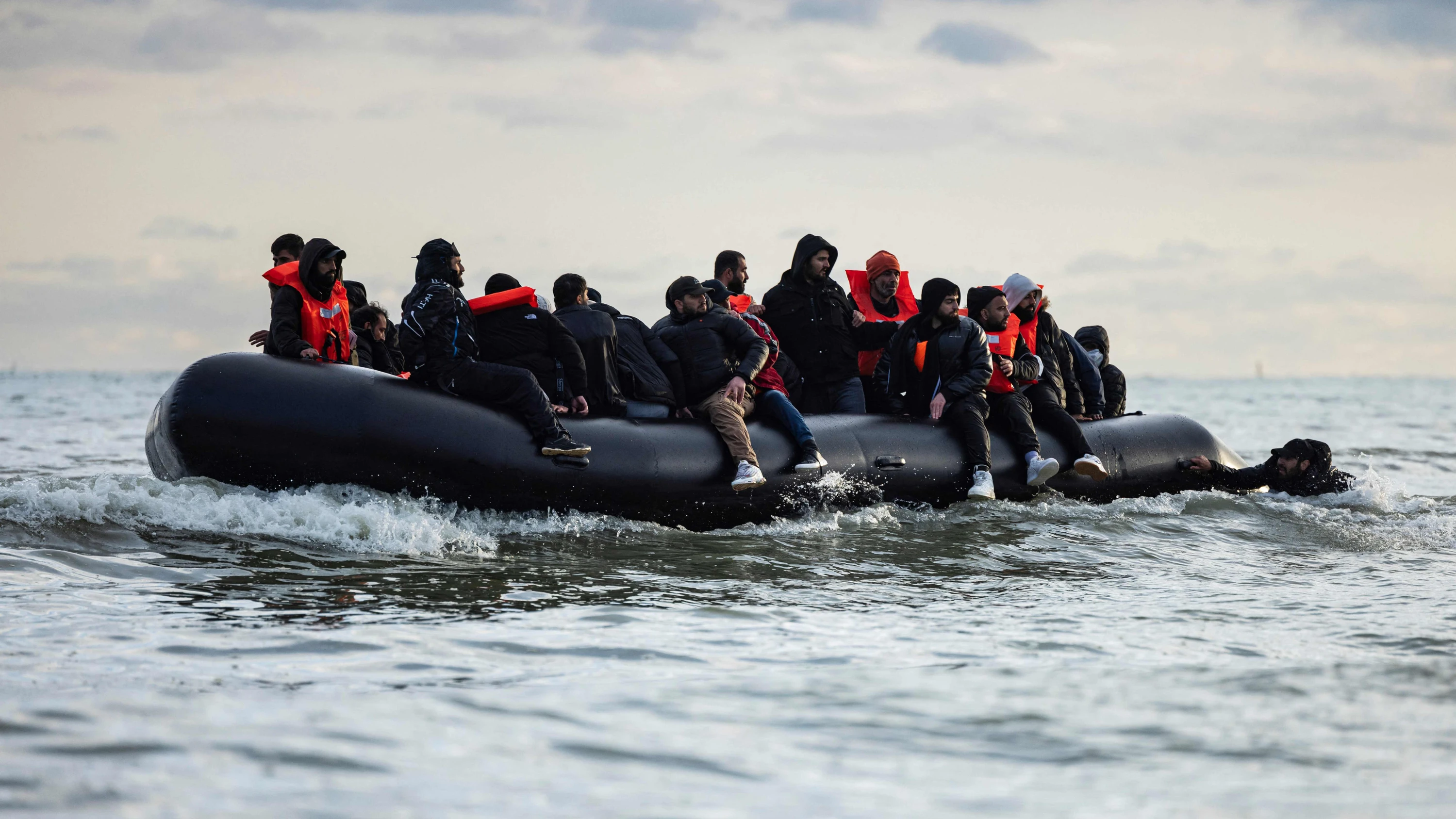




Britain and France reach a new agreement to stop illegal crossings across the English Channel. London is prepared to transfer the equivalent of around 600 million euros to Paris over the planned period of three years in order to finance patrols and controls on the French beaches between Dunkirk and Boulogne.
A previous agreement with the French side concluded by Rishi Sunak’s conservative government expired a few weeks ago. Since Great Britain left the EU, illegal crossings in rubber boats to the English coast have increased because the United Kingdom can no longer apply European asylum and return regulations.
While the Conservative government, which was voted out almost two years ago, tried unsuccessfully to initiate a deportation program with Rwanda in East Africa in order to deter migrants from traveling to England, the current Labor government is primarily relying on increased pressure to investigate the organizers of human trafficking.
More than 41,000 illegal crossings last year
Last year, it also concluded a repatriation agreement with France, which, similar to the agreement between Turkey and the European Union, uses the mechanism of sending back those who arrived illegally, but accepting the same number of people with legal residence permits.
However, the hoped-for deterrent effect that this repatriation agreement was intended to have has so far been difficult to measure. According to the British Home Office, 600 illegal arrivals have been sent back to France so far, and the authorities have counted around 6,000 illegal arrivals on the beaches since the beginning of the year.
The total number of recorded illegal crossings last year was more than 41,000. Almost 20 percent of these migrants came from Eritrea, around ten percent each from Afghanistan, Iran and Sudan; the fifth most common country of origin was Somalia.
British Home Secretary Shabana Mahmood is traveling to France today to sign the new agreement. The agreement stipulates that almost 1,100 French border police, coast guard officers and reconnaissance forces will be deployed in the future to uncover smuggling routes and prevent the departure of the inflatable boats. This almost doubles the number of security forces tasked with preventing illegal migration.
The British side is also financing the purchase and use of drones and helicopters. She also promised to pay almost 200 million euros to test new methods and technical aids to prevent the crossings. If they are unsuccessful, these funds may be withheld.
The opposition British Conservatives and the right-wing populist Reform UK party called the agreement insufficient. They both insisted that an effective response to illegal crossings would only be possible if Britain abandoned the European Convention on Human Rights to allow deportations to the migrants’ countries of origin.