






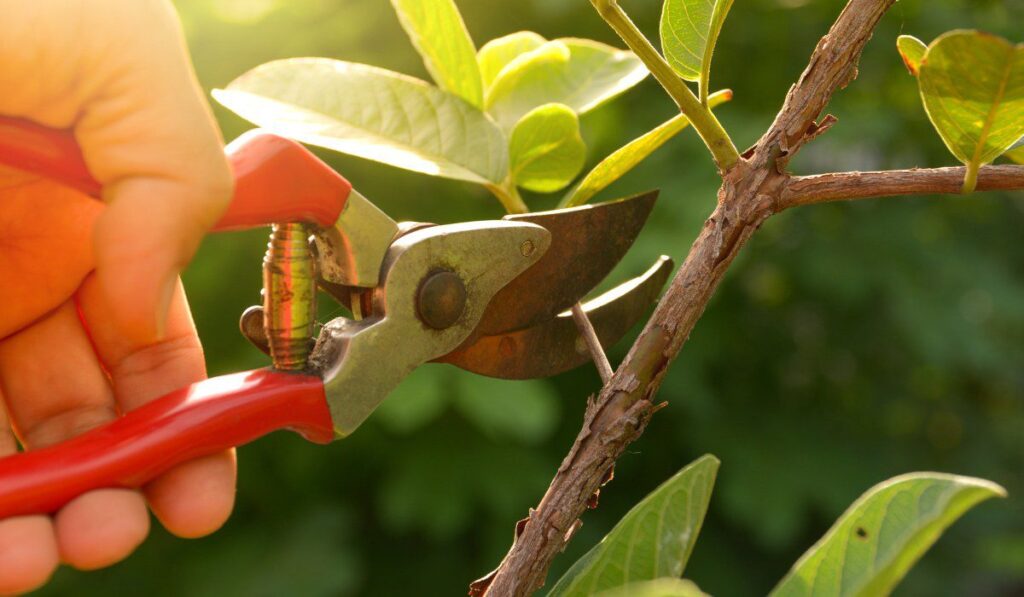
Pruning is one of the most powerful forms of plant care available to gardeners, yet it is also a practice that many people approach with hesitation. The idea of cutting into a healthy plant can feel counterintuitive, especially when growth appears lush and vigorous. But the truth is that thoughtful, well-timed pruning is essential for the long-term health, appearance and productivity of shrubs, trees and hedges. Plants respond to pruning in remarkable ways: they grow stronger, flower more abundantly and develop shapes that are both balanced and resilient. Understanding how pruning supports plant health turns what might feel like a daunting task into a purposeful and rewarding part of garden maintenance.
Every cut you make has a biological impact. When a branch is removed, the plant redirects its energy, sending resources toward the remaining stems and encouraging fresh growth. This redirection stimulates new shoots, strengthens younger branches and improves airflow throughout the plant. Airflow is one of the most important outcomes of pruning because stagnant, congested growth creates a breeding ground for disease. By thinning out older or cramped branches, you allow light and air to move freely, reducing humidity and minimising the risk of fungal infections. This simple adjustment can make an enormous difference to plant vitality.
Correct pruning also supports the natural architecture of the plant. Many species tend to become leggy or top-heavy without intervention, growing long, weak stems that bend or break under their own weight. Strategic trimming encourages more compact, balanced growth that helps the plant withstand strong winds, heavy rain and seasonal changes. A well-shaped plant is not only more attractive but also more stable. It can grow evenly in all directions, which leads to stronger root systems and improved ability to absorb nutrients and water.
Flowering shrubs and fruiting plants rely heavily on pruning for productivity. When spent, damaged or congested branches are removed, the plant can focus its energy on producing healthier blooms and higher-quality fruit. Many flowering shrubs respond especially well to pruning immediately after their bloom cycle, setting the stage for even richer flowering the following year. Fruit trees, meanwhile, benefit from winter pruning, which opens their canopy and improves sunlight penetration. Sunlight is crucial not only for fruit development but also for the health of the inner branches, which often weaken if left permanently shaded.
In the middle of these techniques sits the practical reality that good pruning depends on good tools. This is where advice from specialists such as Garden Machinery Direct becomes invaluable. A clean, sharp cut made with well-maintained tools heals far faster than a jagged or crushed cut made with dull blades. Smooth cuts protect the plant from disease entry points and reduce the stress of recovery. Whether you use hand secateurs, loppers, pruning saws or powered hedge trimmers, choosing quality tools makes pruning safer, easier and far more effective. Tools designed for comfort and precision also allow gardeners to prune more confidently, improving accuracy and reducing fatigue.
Timing plays a significant role in how plants respond to pruning. Cutting at the wrong moment can weaken a plant or remove developing buds. Cutting at the right moment, however, enhances growth. Spring-flowering shrubs need pruning immediately after blooming, while summer-blooming plants benefit from pruning in late winter or early spring. Trees differ depending on species: many prefer winter pruning, but stone fruits are best pruned in summer to avoid disease. Hedges often need pruning multiple times throughout the growing season to maintain density and shape. When you tailor your timing to the plant’s natural growth cycle, pruning becomes a supportive act rather than a disruptive one.
Pruning also helps manage plant size. In small or structured gardens, uncontrolled growth can overwhelm walkways, block sunlight or crowd other plants. Regular pruning maintains a plant’s intended shape, prevents it from becoming invasive and ensures harmony in the overall design of the garden. This maintains aesthetic balance while preventing certain species from dominating the landscape. More importantly, plants that are pruned regularly distribute energy more efficiently, concentrating growth where it is most beneficial.
Removing dead, diseased or damaged wood is another essential aspect of pruning for plant health. These weakened branches draw energy that the plant could otherwise use for healthy growth. Dead wood can also attract pests or become a pathway for infection. By removing compromised branches promptly, you not only protect the plant but also prevent potential spread to neighbouring shrubs and trees. This is particularly important for species prone to fungal diseases that thrive in damp, shaded conditions.
Young plants benefit significantly from pruning because it shapes their structure early. Establishing a strong framework of branches when a plant is young helps guide its form for years to come. This principle is especially important with trees, where the angle and positioning of main branches play a major role in long-term stability. Early, careful pruning avoids the need for heavy corrective pruning later, which can be more stressful for the plant.
Over time, regular pruning becomes a form of ongoing dialogue between gardener and garden. You begin to observe how each plant grows, how it responds to different seasons and how it reacts to your cuts. This familiarity leads to more intentional pruning decisions, strengthening your connection to the garden’s natural rhythms. Plants become healthier, flowering becomes more abundant and garden spaces feel more balanced and alive.
Pruning is far more than maintenance. It is an essential practice that protects plant health, enhances natural beauty and encourages strong, vigorous growth. By learning when and how to prune—supported by good tools and an understanding of plant behaviour—gardeners unlock the full potential of their shrubs, trees and hedges. With each careful cut, the garden becomes more vibrant, more controlled and more rewarding year after year.