





For decades, the rolling hills and historic market towns of Southwest England have felt tantalisingly out of reach for anyone without a car, especially from London. But that’s about to change very soon. For lovers of scenic getaways, countryside walksand quintessential English charm, an exciting transport upgrade is on the horizon.
In a major boost for local communities and countryside lovers alike, Southwest England will soon welcome two long-awaited railway stations, reconnecting these vibrant towns to the national rail network for the first time since the Beeching cuts of the 1960s.
This transport revival, confirmed after years of persistent campaigning and investment battles, promises not just quicker, greener links to the picturesque landscapes of the region, but also a boost for local economies and sustainable travel – heralding a new era where rural escapes are just a train ride away for Londoners.
New train stations in Devon and Somerset
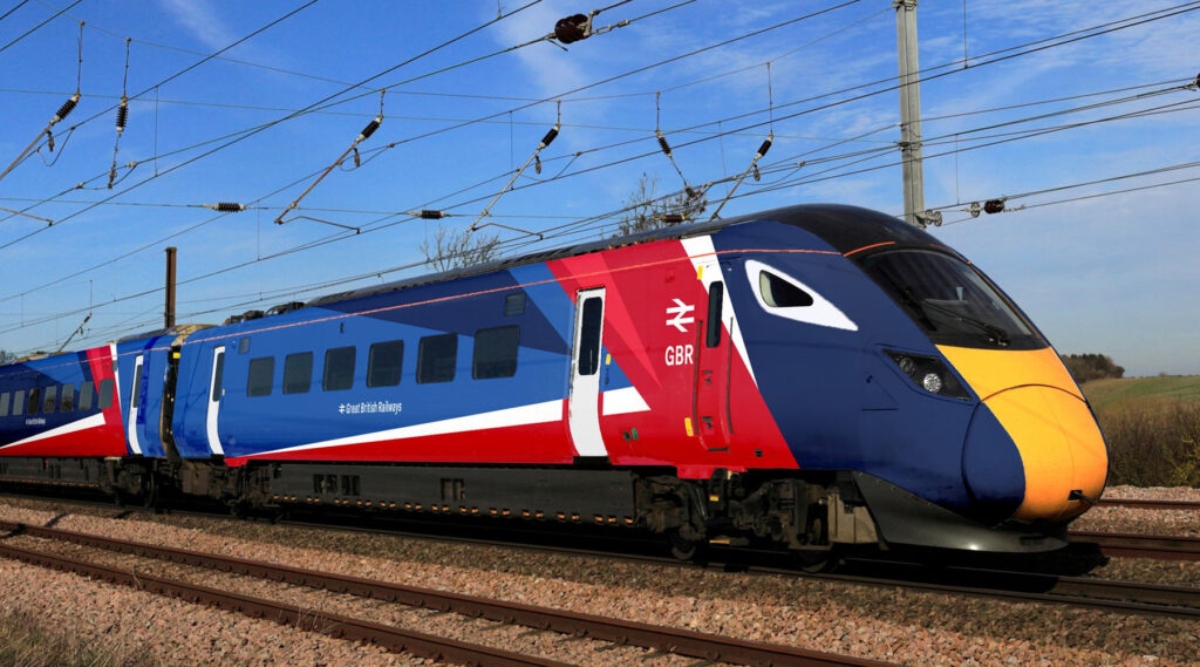
Two new train stationsapproved and fully funded, will reopen in the Southwest of England – one in Cullompton, Devonthe other in Wellington, Somerset – reconnecting these historic towns to the national rail network for the first time since the mid-20th century. Services are expected to commence by 2026, opening up smoother, greener travel routes from London and beyond straight into some of the region’s most beautiful rural landscapes.
Cullompton and Wellington return to the rails
Situated on the main railway line running between Exeter and Taunton, Cullompton and Wellington have been without active railway stations for decades. Their return marks not just a restoration of local connectivity but also a significant boost for the wider Southwest region’s transport infrastructure. With government backing securing an estimated £45 million for construction and delivery, these stations promise more convenient and sustainable travel options that reduce the need for car journeys or multiple bus transfers.
Both stations will link through Exeter St David’sa major transport hub that offers direct trains to London Paddington, Plymouth, Bristol, and the Cornish mainline. This means that visitors whether from the capital or further afield will benefit from seamless, straightforward journeys without the usual last-mile travel headaches.
A gateway to the iconic countryside of Southwest England
Beyond practical travel improvements, these stations unveil easier access to some of the Southwest’s most striking landscapes and heritage sites. Cullompton sits on the doorstep of the Blackdown Hills, an officially designated Area of Outstanding Natural Beauty.
From here, visitors can explore the lush grounds of Killerton Housewander the charming coastal town of Sidmouthor venture into Dartmoor National Parknow more welcoming than ever following the recent legalisation of wild camping.
Over the border in Somerset, Wellington opens a direct route to the Quantock Hills with Exmoor National Park also within easy reach. The area offers a bounty of hidden trails, local farm shops, and authentic country pubs.
These new stations are part of a broader vision to enhance regional connectivity, support rural economies, and encourage sustainable transport habits. By reducing reliance on cars for countryside access, they contribute positively to environmental goals, reducing congestion and emissions.
The Dartmoor line and beyond
This development complements other initiatives in the region. For instance, work is progressing on the Okehampton Interchange stationscheduled for completion in 2026, which will extend rail services further into Devonenhancing connections for West Devon, North Cornwall, and surrounding areas.
As these projects advance, the Southwest’s rail network is set to become an even more vital artery linking visitors to the best that England’s countryside has to offer – all accessible by train.
Plan your countryside escape with ease, knowing that by 2026, catching a train direct from London to hidden rural gems in Devon and Somerset will be simpler and greener than ever before.