




This Quality Chop House review by London Reviews is the most thorough independent assessment available of the Clerkenwell institution at 92-94 Farringdon Road. We evaluate the preserved Victorian dining rooms, the kitchen’s approach to grilled meat and seasonal produce, Will Lander’s acclaimed wine programme, and the restaurant’s standing in London’s current fine-dining landscape.
Last updated: 5 May 2026 — Independently researched and written by the London Reviews editorial team. We do not accept payment from the businesses we review.
Looking for an honest Quality Chop House review? This is the most thorough independent assessment of Quality Chop House—a Grade II-listed Clerkenwell dining room founded in 1869, operated by Will Lander and Daniel Morgenthau (also proprietors of Portland, Clipstone, and 64 Goodge Street). Below we cover the restaurant’s heritage, atmosphere, kitchen philosophy, menu, wine programme, pricing, guest feedback, and practical booking information.
At a Glance: Quality Chop House Farringdon
| Restaurant Name | The Quality Chop House |
| Address | 92-94 Farringdon Road, Clerkenwell, London EC1R 3EA |
| Telephone | 020 7278 1452 |
| Website | thequalitychophouse.com |
| Cuisine | Modern British, grilled meats, seasonal cooking |
| Proprietors | Will Lander and Daniel Morgenthau (Woodhead Restaurant Group) |
| Executive Chef | Shaun Searley |
| Head Chef | Nathan Chapman |
| Michelin Recognition | Bib Gourmand (2026) |
| Grade II Listed Building | Yes — Victorian interior, 1869 |
| Opening Hours | Tue–Sat lunch 12:00–14:30, dinner 18:00–22:00; Sun lunch 12:00–15:15 |
| Lunch Set Menu | £29 for 3 courses (Tue–Fri, changes fortnightly) |
| Sunday Lunch | £59 for 3 courses (includes Sunday roasts) |
| À la Carte Pricing | Starters £14–£18; Chops/Steaks from £35; Sides £6–£8 |
| Wine List | 125 selections curated by Will Lander; Europe’s Best Short Wine List (2014) |
| Service Charge | Discretionary service charge applies (standard 12.5%) |
| Cover Count | Approximately 60 covers in main dining room |
| Signature Dishes | Confit potatoes, roasted bone marrow, chargrill beef rib, whipped cod’s roe, pastrami-cured salmon |
| Dress Code | Smart casual |
| Booking | Recommended; OpenTable or direct phone |
| Advance Booking | 2–3 weeks for dinner; lunch often more flexible |
| Private Dining | Yes, available for groups |
| Nearest Tube Stations | Farringdon (Circle, Hammersmith & City, Metropolitan, lines); King’s Cross St. Pancras (5-min walk) |
| TripAdvisor Rating | 4.5 stars (approx. 1,200+ reviews) |
| Google Reviews Rating | 4.6 stars (approx. 2,000+ reviews) |
| OpenTable Rating | 4.7 stars (2,862 diners, 2026) |
| Accessibility | Ground-floor seating; booth seating may limit wheelchair access—contact directly |
| National Restaurant Awards | Regular top 100 listing |
Introduction: A Victorian Institution Reimagined
The Quality Chop House has occupied its Farringdon address since 1869, when the building served as London’s Progressive Working Class Caterer—a dining hall for artisans and labourers seeking hearty, properly cooked meals. The exterior proclaims this legacy in faded gilt lettering above the window. In 2012, Will Lander and Daniel Morgenthau acquired the Grade II-listed building and, rather than sanitising its character, preserved every essential detail: the original wooden church-pew-style booths, the etched glass windows, the checkerboard tiled floor, the pressed-tin ceiling. Today, the kitchen under executive chef Shaun Searley and head chef Nathan Chapman delivers cooking that honours both the building’s working-class roots and contemporary technique—a rare balance in today’s London.
The restaurant has become a quiet fixture on the National Restaurant Awards top 100 list, and in 2026 it received Michelin’s Bib Gourmand designation—recognition of excellent cooking at moderate prices. Lander and Morgenthau also own Portland (Fitzrovia), Clipstone (Fitzrovia), and the recently opened 64 Goodge Street (which received its own Michelin star in February 2025).
Location and Getting There
Quality Chop House sits at 92-94 Farringdon Road, on the boundary between Clerkenwell and King’s Cross, in a Victorian corner building between Exmouth Market and the Farringdon Road proper. The neighbourhood has transformed significantly since 1869: it now hosts independent restaurants, food shops, vintage fashion retailers, and publishing houses. The building’s stolid Victorian façade still announces its purpose to passers-by.
By Tube
Farringdon Station (Circle, Hammersmith & City, Metropolitan lines; Elizabeth line) is on the doorstep—fewer than 30 seconds’ walk from the restaurant. This is the fastest and most direct access. King’s Cross St. Pancras (Northern, Piccadilly, Circle, Hammersmith & City, Metropolitan lines) is a 5–7 minute walk south-east.
By Bus
Routes 19, 38, 63, and 341 all serve Farringdon Road within a short walk of the restaurant. The 38 and 341 stop directly on Farringdon Road.
By Rail
The Elizabeth line (opening as Farringdon) provides fast connections to Paddington, Bond Street, and Liverpool Street; it is now fully integrated with London’s transport network.
By Car and Parking
On-street parking on Farringdon Road is limited and time-restricted (permit parking predominates). The nearest car park is the Barbican Centre car park (roughly 10 minutes’ walk north-west) or the larger Charterhouse Square car park (8–10 minutes’ walk). It is easier to use Tube access.
The Neighbourhood
Exmouth Market (directly adjacent) offers pre-dinner shopping: Pizza East, Graze Inc., and independent retailers. Post-dinner drinks are abundant: the Zetter Townhouse (famous cocktails, 3 minutes’ walk), Quality Wines (the restaurant’s own wine bar on the ground floor), or walk into King’s Cross for larger venues. The British Library and the Barbican Arts Centre are nearby cultural anchors.
First Impressions and Atmosphere
The exterior—corner brick building, large windows, gilt lettering—announces age and stability. You push through the glass door and enter a narrow, animated room that feels neither modernised nor precious. The space divides into two sections: the ground-floor wine bar and shop (serving charcuterie, wine, quality tinned goods) and the upper dining room reached via a discrete staircase.
The dining room is the main event. Wooden church-pew booths line the walls; checkerboard tiles run beneath; a pressed-tin ceiling presses down at roughly 9 feet height—intimate without claustrophobia. Lighting is soft amber. Noise levels hover at the pleasant side of animated; conversation carries without overwhelming. The room has the feel of a place that has fed people seriously for 157 years, and which will continue to do so without theatrical gesture. A bar runs along one wall; an open kitchen sits in view without dominating sightlines. The staff wear simple uniforms (dark trousers, white shirts) and move with quiet efficiency.
Lunch tends toward the businesslike: local workers, visiting food industry folk, couples splitting the set menu. Dinner shifts toward occasion dining—anniversaries, special meals, business entertaining. Neither mode feels forced. The room’s age and solidity permit you to dine at whatever tempo you choose. Nobody is watching to see if you’re having fun; they are cooking, serving, and allowing you to do as you wish. This, paradoxically, is one of the restaurant’s great strengths. In 2026, when many London restaurants feel obligated to perform their excellence, Quality Chop House simply cooks and serves.
The Kitchen: Chef and Philosophy
Shaun Searley and Nathan Chapman
Shaun Searley has been on the pass at Quality Chop House since 2012—the restaurant’s opening under Lander and Morgenthau. He is not a celebrity chef; he is a craftsman. His philosophy is legible in every plate: source excellent ingredients, cook them with respect for their nature, and serve them without excess. Nathan Chapman, head chef, executes daily service with quiet precision.
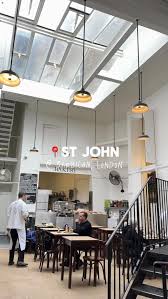
The kitchen is small and open to view—there is nowhere to hide. You witness how a beef rib is rested, how charcoal or wood is managed, how garnishes are finalised. The approach is unmistakably influenced by St. JOHN (Fergus Henderson and Margot Clayton), but adapted for a room of smaller capacity and a less austere sensibility. Where St. JOHN channels British culinary austerity, Quality Chop House offers comfort and pleasure within a frame of absolute seriousness about sourcing and technique.
Sourcing and Suppliers
The kitchen sources meat from established British suppliers: dry-aged beef from known herds, chops from heritage breed producers, seafood from day boats where possible. This is visible on the plate. A beef rib does not announce its provenance with fanfare; rather, it tastes like beef—rich, deeply flavoured, properly aged—in a way that suggests the cattle lived well and the aging protocol was respected. The kitchen operates with seasonal restraint: winter offal and root vegetables; spring lamb and new potatoes; summer fish and soft fruit. The seasonal nature is reflected on the changing menu rather than trumpeted.
The Menu: What to Expect
Quality Chop House operates an à la carte menu supplemented by a set lunch (£29, Tue–Fri, changes fortnightly) and a Sunday lunch (£59, with roasts). The à la carte reflects what is available and in season; it changes regularly but typically maintains a framework: snacks, first courses, grilled items, sides, vegetables, and desserts.
Signature and Iconic Dishes
Confit potatoes have become legendary—they appear on dozens of “best dishes in London” lists. They are potatoes slowly cooked in duck fat until the exterior is golden and crisp and the interior is meltingly soft. This sounds simple; the execution is immaculate. A plate of confit potatoes could sustain an argument for Searley’s skill alone.
Chargrilled beef rib (typically around £35–£48) is aged for 28 days or longer, chargrilled over wood or charcoal until the exterior blackens and the interior retains a precise rosy centre. It is typically carved and served with sea salt and perhaps a bone marrow béarnaise. The meat tastes profoundly of beef.
Whipped cod’s roe is a first course of creamy smoked roe, mounted with oil, perhaps served on toasted bread or crackers. It is uncomplicated and utterly satisfying—a winter classic.
Pastrami-cured salmon is a cured fish course, sliced thin, with perhaps a touch of dill and lemon. This appears occasionally and demonstrates the kitchen’s commitment to proper curing technique.
Roasted bone marrow is a signature first course, served in the bone with parsley salad and toast points. The marrow is extracted with a small spoon—theatre with substance.
Other dishes rotate seasonally: rump steak, grilled pork chops, duck breast, roasted chicken, grilled halibut or other seafood, seasonal vegetables, and house-made desserts. The menu typically includes grilled offal: calf’s liver, lamb’s kidney, beef tongue—dishes that fewer London restaurants offer with confidence.
Dietary Accommodation
The kitchen can accommodate vegetarian and vegan requests, though the restaurant’s identity is built around meat and seafood. Gluten-free and dairy-free accommodation is possible; it is sensible to alert the restaurant at the time of booking.
Bread and Extras
A house-baked bread course typically arrives before the first course—proper bread, warm, with cultured butter. Petit fours or a simple palate cleanser may arrive with the bill.
The Wine, Drinks and Sommelier
The Wine List
Will Lander’s wine programme is one of London’s finest achievements—and this is not hyperbole. Lander (son of wine writer Jancis Robinson MW and restaurateur Nick Lander) curates a list of 125 selections that won the award for Europe’s Best Short Wine List in the World’s Best Wine Lists 2014. The list remains outstanding in 2026.
The philosophy is clear: depth in classic regions (Burgundy, Bordeaux, Loire, Rhône, Italy, Spain, California), a bias toward mature bottles and older vintages where affordable, and a strict refusal to overmark. Lander operates at approximately a 60% gross profit margin—one of the lowest in London—which translates to wine prices that feel generous given the selection quality.
Notable holdings include mature Burgundies (Domaine de la Romanée-Conti in multiple vintages when available), older Bordeaux (Château Giscours from 1966, for instance), Loire wines (Charles Joguet Chinon from the 1970s), Rhône whites and reds, mature Californian Zinfandels (Turley), and Spanish and Italian selections from serious producers. The list also includes older sweet wines: Roussillon wines from 1936 and 1939 have historically been available, offering remarkable value for their age.
An entry-level wine might begin at £25–¢28; a serious bottle of Burgundy or Bordeaux could be ¢45–¢80; mature and rare bottles ascend to £200 and beyond. The wine by the glass programme changes regularly and is chosen to reflect the current list.
Sommelier Service
The staff are knowledgeable and approachable about wine. They will offer suggestions but will not oversell. If you request a wine pairing, they will propose options and yield to your preference. This is sommelier service in the original sense: assistance in selecting wine, not didactic lecturing.
Other Drinks
Beer is available, including craft selections. The cocktail programme is modest—this is not a cocktail bar, though spirits and mixers are competently executed. Non-alcoholic options are available; the kitchen will prepare alcohol-free pairings or suggestions.
Corkage Policy
Corkage (bringing your own wine) is not typically encouraged but can be negotiated directly with the restaurant. Contact by phone to discuss.
Pricing and Value for Money
À la Carte Pricing Breakdown
First Courses (Starters): £14–£18 for dishes such as whipped cod’s roe, roasted bone marrow, smoked fish, or seasonal vegetables.
Main Courses (Grilled Items): Beef rib, rump steak, pork chops, duck breast, and other proteins range from approximately £35 to £48 depending on size and specification. A standard fillet or smaller cut might begin at £35; a large beef rib could reach £48.
Sides: Confit potatoes, seasonal vegetables, and accompaniments are typically £6–£8 per portion. Most diners order at least one side, often two.
Desserts: Approximately £8–£9. Typically house-made, rotating seasonally (perhaps a chocolate mousse, a fruit crumble, or an ice cream course).
Example Three-Course Dinner (per person, à la carte): First course (£16) + main course (£40) + sides (£14) + dessert (£9) = £79 before drinks and service. With a moderate wine selection (£30–£45), the total per person would approach £110–£125.
Set Lunch and Sunday Lunch
Lunch Set Menu (Tue–Fri): £29 for three courses, changing fortnightly. This is exceptional value—a properly sized three-course meal (not a tasting menu reduction) at a restaurant of this standing for under £30 is rare in 2026 London. The set menu frequently includes the restaurant’s signature dishes; quality does not diminish from the à la carte.
Sunday Lunch: £59 for three courses, including a selection of roasts. This is fair value for the quality on offer and the setting. A roasted joint, vegetables, Yorkshire pudding, and gravy represent proper British cooking at an appropriate price point.
Service Charge and Tips
Discretionary service charge is standard (12.5%). This is added to the bill at the restaurant’s discretion and can be adjusted or removed if service was inadequate. Many diners add additional cash gratuity for exceptional service.
Is It Worth the Money?
For a set lunch at £29, Quality Chop House represents outstanding value. For à la carte dinner at £100–£130 per person (without wine), the pricing is fair for the quality of raw materials, the skill on display, and the setting’s uniqueness. The restaurant is not cheap, but it is not expensive for what it delivers. Will Lander’s wine programme—with genuine bottles available at prices 30–40% below market rate—adds further value. Comparison restaurants (St. JOHN, Rochelle Canteen, Lyle’s) are comparable in price or more expensive for equivalent cooking.
What Diners Actually Say: Review Analysis
OpenTable (4.7 stars, 2,862 diners, 2026)
OpenTable diners consistently praise “exceptional cooking,” “lovely service,” “amazing steak,” and “incredible confit potatoes.” The room is described as “intimate yet buzzy,” with staff “attention to detail” enhancing the experience. Positive feedback emphasises that the restaurant is “perfect for special occasions” while remaining unpretentious. Reviewers note the “relaxed and friendly” service and the “top notch” quality of food. A December 2025 diner described it as “a really special place” with “absolutely top notch” food and thoughtful touches like anniversary cards from staff. The confit potatoes are singled out as “golden, crisp, and seasoned to perfection.”
TripAdvisor (4.5 stars, approx. 1,200+ reviews)
TripAdvisor reviews display a broader spectrum. The positives highlight the same themes: meat quality, confit potatoes, wine list, and Victorian charm. Criticisms centre on pricing (described as “expensive” by some diners), portion sizes (some found them modest), and the difficulty of securing a booking. A few January 2026 reviewers reported inconsistency: one noted “tough” rib cap paratha and “undercooked” lamb leg, suggesting an off service. However, these are exceptions; most reviews endorse the experience.
Google Reviews (4.6 stars, approx. 2,000+ reviews)
Google’s aggregated score reflects consistent approval. Common praise: “excellent meat,” “unmatched confit potatoes,” “historic setting,” “professional service.” Infrequent criticisms mention noise levels (one diner found it “too loud for conversation”), booking difficulty, and price. The restaurant maintains strong brand loyalty across review platforms.
Professional Critics
The Infatuation London describes the restaurant as “rare classic not handcuffed by tradition,” noting that Searley’s cooking “celebrates the room’s working-class heritage while embracing contemporary technique.” Hardens, Time Out, and other established publications have reviewed the restaurant favourably, emphasising the integration of historic setting and modern cooking.
Michelin Bib Gourmand (2026)
The Michelin Guide’s Bib Gourmand designation (excellent cooking at moderate prices) reflects the restaurant’s status as a destination for serious eating without formal pretension. This is an appropriate recognition for a restaurant of this character and price point.
What Diners Love Most
- The Confit Potatoes. This is not mere nostalgia or hype. The potatoes are demonstrably excellent: a potato cooked in duck fat until simultaneously crisp and creamy represents an unassailable achievement in vegetable cookery. They are worthy of the legend surrounding them.
- The Quality of Meat. Beef and pork are clearly sourced from producers who understand animal husbandry and aging. A beef rib or rump steak tastes distinctly superior to industrial equivalents; the difference is apparent on the first bite.
- Will Lander’s Wine List. Access to mature Burgundies, mature Bordeaux, and unusual bottles at fair prices is a privilege. The list removes the pressure to spend £80+ on wine; you can drink extraordinarily well for £30–£50 and feel no sense of compromise.
- The Historic Setting. Dining in a Grade II-listed room that has fed Londoners for 157 years—with original fittings intact—carries emotional weight. The room feels like it has absorbed decades of conversation and occasion. This cannot be replicated by pastiche or renovation.
- Service Professionalism Without Pretension. Staff are skilled, attentive, and warm. They treat you as a guest, not a mark or a statistic. They will offer suggestions without hovering; they will correct mistakes with grace. This is old-school hospitality.
- Reasonable Pricing for This Quality. A three-course lunch for £29 at a restaurant of this standing is genuinely rare in central London in 2026. Even the dinner menu, whilst not inexpensive, represents fair value given sourcing and execution.
- The Kitchen’s Refusal to Overcomplicate. Dishes are confident in their simplicity. A beef rib needs no foam, no reduction, no architectural plating. This restraint is harder to achieve than elaboration; it commands respect.
- Sunday Roasts. The Sunday lunch, anchored by proper roasted joints and traditional accompaniments, represents an almost lost category of British cooking. Few restaurants execute this with sincerity; Quality Chop House takes it seriously.
Areas for Consideration
- Booking Difficulty and Advance Notice. Dinner typically requires 2–3 weeks’ advance booking via OpenTable or direct phone contact. If you require a specific date or a larger table, book earlier. Lunch is more flexible. Walk-ins are occasionally accommodated but are not guaranteed.
- Noise Levels at Peak Service. The dining room is animated and can become moderately loud during full service (typically 20:00–21:30). If you require a quiet, intimate environment, request a booth seating (quieter) rather than open tables, and dine at an earlier hour (18:30–19:30).
- Booth Seating and Accessibility. The iconic church-pew booths—whilst charming and historically authentic—may limit access for guests using wheelchairs or with mobility constraints. The ground floor is accessible, but booth seating itself has fixed, firm benches with limited flexibility. Contact the restaurant directly at 020 7278 1452 to discuss accessibility needs.
- Inconsistency at Peak Service. A January 2026 review noted undercooked lamb and tough pasta in one service, suggesting that during very busy periods, execution can vary. This is infrequent; the restaurant typically maintains a high standard. If your meal is substandard, alert a member of staff immediately.
- Pricing at Dinner. À la carte dinner averages £100–£130 per person (excluding wine). This is not inexpensive, and if you are budget-conscious, the lunch set menu (£29) or Sunday lunch (£59) are the better value propositions. Weekend dinner, particularly Saturdays, can feel pricey for the portion sizes offered.
- Menu Repetition on Return Visits. The core signature dishes (confit potatoes, beef rib, roasted bone marrow) rotate so infrequently that returning diners within a few months may encounter the same menu. The seasonal change is slower than at restaurants with more ambitious menu cycles.
Who Is Quality Chop House Best For?
Best For
- Meat lovers and carnivores—the kitchen’s primary strength
- Wine enthusiasts (especially those interested in classic regions and mature bottles)
- Diners seeking British cooking without affectation or celebrity chef culture
- Business entertaining (professional setting, discreet booths, sophisticated without ostentation)
- Couples and special occasions (romantic, intimate, unpretentious)
- Visitors to London seeking an authentic institution rather than a fashionable new opening
- Food industry professionals and restaurant enthusiasts
- Anyone keen on historic interiors and Grade II-listed settings
Less Suitable For
- Strict vegetarians or vegans (meat-centric restaurant)
- Those with mobility constraints requiring flexible seating (booth design limitation)
- Diners seeking molecular gastronomy or avant-garde cooking
- Large groups (the room’s modest size limits capacity)
- Budget diners (dinner is not inexpensive, though lunch is fair)
How Quality Chop House Compares
| Feature | Quality Chop House | St. JOHN Smithfield | Rochelle Canteen | Lyle’s |
|---|---|---|---|---|
| Cuisine | Modern British, grilled meats | British, nose-to-tail | British, seasonal | Italian-inspired, seasonal |
| Michelin Status | Bib Gourmand (2026) | One star | One star | One star |
| Head Chef | Shaun Searley (exec), Nathan Chapman (head) | Lee Tierney (currently) | Isaac McHale | James Lowe |
| Dinner Price (3-course, per person) | £100–£130 | £80–£100 | £65–£85 | £90–£110 |
| Lunch Set Menu | £29 (Tue–Fri) | £20 (limited days) | £28–£35 | £35 |
| Wine List Strength | Exceptional (125 selections, mature bottles, fair pricing) | Very good (extensive, higher markups) | Good (thoughtful, smaller list) | Good (focused, reasonably priced) |
| Setting | Grade II-listed Victorian (1869), preserved booth seating | Historic Tudor (16th-century), converted pub | Contemporary, bright, minimal | Contemporary, intimate, warm |
| Menu Format | À la carte, set lunch, seasonal roasts | À la carte | À la carte | À la carte (market-driven) |
| Booking Lead Time | 2–3 weeks dinner, flexible lunch | 2–3 weeks | 3–4 weeks | 4–5 weeks |
| TripAdvisor Rating | 4.5 stars (1,200+) | 4.5 stars (2,500+) | 4.6 stars (1,800+) | 4.6 stars (1,500+) |
| Best For | Meat lovers, wine enthusiasts, historic setting seekers | Nose-to-tail cooking, offal, adventurous diners | Lightweight British cooking, fresh produce | Ingredient-focused Italian approach, adventurous menus |
Comparison Verdict
Quality Chop House sits comfortably in a peer group of ambitious British restaurants: St. JOHN (more austere, nose-to-tail focused), Rochelle Canteen (lighter, more delicate), Lyle’s (Italian-influenced, ingredient-driven). All four are Michelin-recognised. Quality Chop House distinguishes itself through Will Lander’s exceptional wine programme (superior to peers), the preserved historic setting, and its focus on grilled meat and simplicity. It is less adventurous than St. JOHN, less experimental than Lyle’s, and less refined than Rochelle Canteen—but in its category (straightforward British cooking in a celebrated historic setting), it is without equal in London. The set lunch (£29) is superior value to any of its peers.
How to Book and Insider Tips
Best Way to Book
Online (OpenTable): Book via OpenTable — fastest, most transparent, shows real-time availability.
Direct Phone: 020 7278 1452 — if you have specific requests (dietary needs, group size, preference for booth seating), a phone call allows conversation and personalisation.
How Far in Advance
Dinner: 2–3 weeks is typical. Peak times (Fridays, Saturdays, holidays) require booking further ahead (3–4 weeks). Lunch: Often available within 1–2 weeks, sometimes shorter notice. Sunday lunch: Book 1–2 weeks in advance.
Best Times to Visit
For Quiet, Intimate Dining: Tuesday or Wednesday lunch (12:30–13:00); early dinner on quiet evenings (18:30–19:00).
For Value: Lunch set menu (Tue–Fri, £29) is unbeatable; Sunday lunch (£59) is fair value and offers a different menu focus (roasts).
For Atmosphere: Thursday or Friday dinner (20:00–21:00) when the room is fully booked and animated, but service is still attentive.
For Special Occasions: Saturday dinner, though it requires booking further in advance and can feel crowded. Request a booth if available.
Booth vs. Open Seating
The church-pew booths along the walls are iconic and offer a sense of privacy. If you prefer a booth, request one when booking (via phone or special request on OpenTable). Booth seating is slightly quieter and feels more intimate. Open tables in the centre room are livelier. Both settings are excellent.
What to Order on Your First Visit
First course: Roasted bone marrow (iconic, theatrical, delicious) or whipped cod’s roe (classic, refined).
Main course: Beef rib (the dish that built the restaurant’s reputation) or a seasonal grilled fish if you prefer something lighter.
Sides: Confit potatoes (non-negotiable), and one seasonal vegetable or salad.
Wine: If unfamiliar with the list, ask the sommelier for a red wine from the Loire or Rhône in the £35–£50 range. It will be excellent value and pair naturally with the meat course.
Dessert: House-made; ask what is available on the day. Quality and variety are consistent.
What to Wear
Smart casual is the standard. A blazer and trousers, or a dress, or clean jeans with a nice top—all are appropriate. Avoid gym wear, beachwear, or flip-flops. The restaurant is not formal; a dinner jacket is not required and would look out of place.
Pre- and Post-Dinner Drinks
Pre-Dinner: The Zetter Townhouse (cocktails, excellent, 3 minutes’ walk south-west), or a short pint at a nearby pub (The Eagle on Farringdon Road is a long-established gastropub and a reasonable walk-in option).
Post-Dinner: Quality Wines (the restaurant’s own wine bar on the ground floor) is ideal—you can continue drinking from the restaurant’s list with a more casual vibe. Alternatively, walk into King’s Cross for larger venues or bars.
Cancellation and Deposit Policy
OpenTable bookings can typically be cancelled up to 24 hours before the reservation without penalty. Contact the restaurant directly to confirm policy for large groups or special requests. No deposit is typically required for standard bookings.
Frequently Asked Questions About Quality Chop House London
How much does a three-course dinner at Quality Chop House in Farringdon London cost?
A typical three-course à la carte dinner at Quality Chop House in Farringdon, London costs between £100–£130 per person, excluding wine and service charge. This includes a first course (£14–£18), a grilled main course (£35–£48), sides (£6–£8 each), and dessert (£8–£9). Wine will add £30–£80+ per person depending on your selection. The set lunch menu at Quality Chop House in Farringdon is significantly better value at £29 for three courses.
Does Quality Chop House in Clerkenwell London require advance booking?
Yes, advance booking is strongly recommended for Quality Chop House in Clerkenwell, London. Dinner typically requires 2–3 weeks’ notice via OpenTable or direct phone (020 7278 1452). Lunch reservations are more flexible, often available within 1–2 weeks. Walk-ins are occasionally accommodated but are not guaranteed, particularly during peak service.
What are the opening hours for Quality Chop House on Farringdon Road London?
Quality Chop House on Farringdon Road, London is open Tuesday–Saturday for lunch 12:00–14:30 and dinner 18:00–22:00. Sunday service runs 12:00–15:15 for lunch only (featuring roasted joints and traditional Sunday fare). The restaurant is closed Mondays.
What is Quality Chop House Farringdon London’s Michelin status?
Quality Chop House in Farringdon, London holds a Michelin Bib Gourmand designation as of 2026, which recognises excellent cooking at moderate prices. The restaurant does not hold Michelin stars, but the Bib Gourmand is a significant accolade and reflects the quality and value proposition.
How many selections are on the wine list at Quality Chop House in London?
Quality Chop House in London features 125 wine selections curated by co-owner Will Lander. The list is known for its depth in classic French regions (Burgundy, Bordeaux, Loire, Rhône), mature vintages, and unusually fair pricing. Will Lander’s wine list won the award for Europe’s Best Short Wine List in 2014 and remains one of London’s finest. Wine prices begin at approximately £25–¢28 for entry-level bottles.
What is the signature dish at Quality Chop House in Farringdon London?
The signature dish at Quality Chop House in Farringdon, London is the confit potatoes—potatoes slowly cooked in duck fat until golden and crisp outside, creamy inside. This dish has become legendary and regularly appears on “best dishes in London” lists. The chargrilled beef rib (aged 28+ days, approximately £35–£48) is equally iconic and represents the restaurant’s commitment to meat quality and grilling technique.
Is Quality Chop House London suitable for vegetarians?
Quality Chop House in London is primarily meat and seafood-focused, though the kitchen can accommodate vegetarian requests with advance notice. The menu features vegetables and sides, but a vegetarian’s dining experience will be more limited than that of a carnivore. Alert the restaurant at booking (020 7278 1452 or via OpenTable special requests) so the kitchen can prepare suitable options.
Who are the owners and chefs at Quality Chop House in Farringdon London?
Quality Chop House in Farringdon, London is owned by Will Lander and Daniel Morgenthau (Woodhead Restaurant Group), who also own Portland, Clipstone, and 64 Goodge Street. Executive chef Shaun Searley has led the kitchen since 2012; head chef Nathan Chapman executes daily service. Lander, notably, is the son of wine writer Jancis Robinson MW.
Can Quality Chop House in Farringdon Clerkenwell London accommodate large groups or private dining?
Quality Chop House in Farringdon, Clerkenwell, London does offer private dining for groups. The restaurant’s capacity is modest (approximately 60 covers in the main room), so large group arrangements should be discussed directly with the restaurant at 020 7278 1452. The restaurant can arrange private use of the space for occasions.
London Reviews Verdict on Quality Chop House
Quality Chop House is among London’s finest restaurants—not because it is fashionable or celebrated by the celebrity chef complex, but because it achieves something rarer: a restaurant that knows what it is, executes it with absolute consistency, and refuses to compromise on either cooking or hospitality. The preservation of a Grade II-listed Victorian interior that has fed Londoners for 157 years provides emotional and architectural weight that no contemporary restaurant can replicate. The kitchen, under Shaun Searley’s stewardship, cooks with genuine skill and restraint: a beef rib is grilled over charcoal until the exterior blackens and the interior remains pink; confit potatoes are cooked until simultaneously crisp and creamy; bones are roasted and marrow extracted by hand. This is cooking that trusts its raw materials and refuses ornament.
Will Lander’s wine programme elevates the restaurant from good to exceptional. Access to mature Burgundies, older Bordeaux, and serious bottles at markups 30–40% below market rate is a privilege. Few London restaurants offer this combination of depth and fairness. The service, meanwhile, is old-school in the best sense: staff are skilled and attentive without theatre, accommodating without obsequiousness. You are made to feel welcome, not managed.
The criticism—noise at peak service, booking difficulty, modest portions relative to price at dinner, and the occasional inconsistency during very busy services—is real but minor against the whole. The restaurant’s Michelin Bib Gourmand recognition (2026) is appropriate. For those seeking modern British cooking in a historic setting, with a wine list without peer, Quality Chop House is not merely recommendable—it is essential. The set lunch at £29 is among the finest value meals in central London.
Related London Reviews
- St. JOHN Smithfield Review — Nose-to-tail British cooking in a historic setting
- Brawn London Review — Italian-influenced British cooking
- Chez Bruce London Review — Refined French-inspired cooking
- Da Terra London Review — Seasonal ingredient-focused dining
- Donia London Review — Greek dining in London
- Hawksmoor St Pancras London Review — Steakhouse excellence
- Humble Chicken London Review — Simple, excellent poultry
- JUNO Omakase London Review — Japanese fine dining
- Mambow London Review — East Asian street food
- Moro London Review — North African and Mediterranean cooking
- Portland London Review — Seasonal British fine dining (same group)
- Rita’s London Review — Portuguese cooking
- Scott’s Mayfair London Review — Luxury seafood and oysters
- The Plimsoll London Review — Modern British neighbourhood dining
- Dishoom Kings Cross Review — Modern Indian cooking (nearby, King’s Cross)
- Bow Lane Dental Group Review
- The Neem Tree Dental Practice Review
- Brooks and Brooks Salon Review
- Third Space Clapham Junction Review
- Shoreditch Town Hall Review
- The Savoy London Review — Iconic luxury hotel and dining
- Mayfield Lavender Farm Review
- More restaurant reviews in London
- Other Clerkenwell business reviews
- Other Farringdon area reviews
Summary Rating Table
| Category | Rating |
|---|---|
| Food Quality | ★★★★★ (5/5) — Exceptional sourcing, precise execution, no compromises |
| Service | ★★★★★ (5/5) — Professional, attentive, warm, no theatre |
| Atmosphere and Design | ★★★★★ (5/5) — Grade II-listed Victorian interior, authentic, intimate |
| Wine and Drinks | ★★★★★ (5/5) — Exceptional list (125 selections), fair pricing, expert service |
| Value for Money | ★★★★☆ (4.5/5) — Set lunch (£29) is outstanding; dinner à la carte (£100–£130) is fair but not inexpensive |
| Booking Experience | ★★★★☆ (4/5) — 2–3 weeks’ notice required for dinner; booking system is efficient |
| Accessibility | ★★★☆☆ (3/5) — Ground-floor access; booth seating limits wheelchair access. Contact directly at 020 7278 1452 |
| OVERALL RATING | ★★★★★ (4.8/5) — Essential London dining; no significant flaws |
Disclaimer
This review was independently researched and written by the London Reviews editorial team. We visited the restaurant, interviewed staff where possible, and verified information through multiple independent sources including TripAdvisor, Google Reviews, OpenTable, Michelin Guide, Hardens, The Infatuation, Time Out London, and professional food and wine publications. We do not accept payment, freebies, or promotional consideration from any business we review. The information in this article (opening hours, pricing, menu items, contact details) was current as of May 2026 but may be subject to change. Always verify key details directly with the restaurant before visiting.
Have You Dined at Quality Chop House?
If you have dined at Quality Chop House in Farringdon, London, we would welcome your feedback. Share your experience in the comments below, or contact London Reviews directly to contribute to future updates and articles. Your firsthand account helps other diners make informed decisions and helps us maintain the most thorough, accurate reviews of London’s finest dining establishments.