


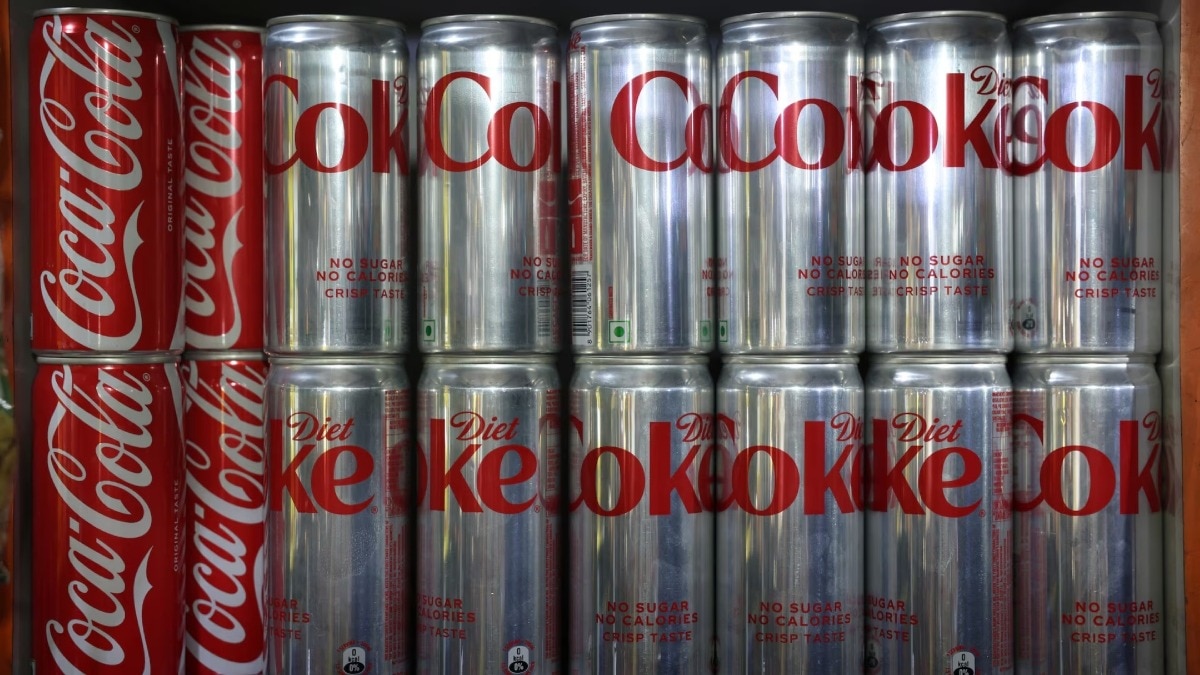




The heat has started showing its severe effects and Diet Coke, which is a favorite of people in this season, seems to be missing from the shops. There is a strong demand for this product in the country, but be it Mumbai, Bengaluru, Pune or Ahmedabad, the shops where these cans were usually seen filled in the summer, now the stock has either reduced or has completely ended.
Customers upset by this are seen asking the reason for this on social media also. Let us know how Middle East tension increased due to America-Iran war. After the LPG crisis, now the Diet Coke crisis has deepened and its business is being badly affected.
Why did this crisis arise?
If we know the reason behind the Diet Coke crisis in the country, then its connection with the Middle East war is clearly visible. If we look at the current situation, the shortage of aluminum cans, increasing demand and disruption in the global supply chain have increased the shortage of this item even further. In fact, all these factors combined have made the situation even worse, with consumption of cold beverages peaking during the summer season.
Responsible for this crisis is the huge shortage of aluminum cans, which are used not only for Diet Coke but also for many other cold beverages.
Global tension increased the problem
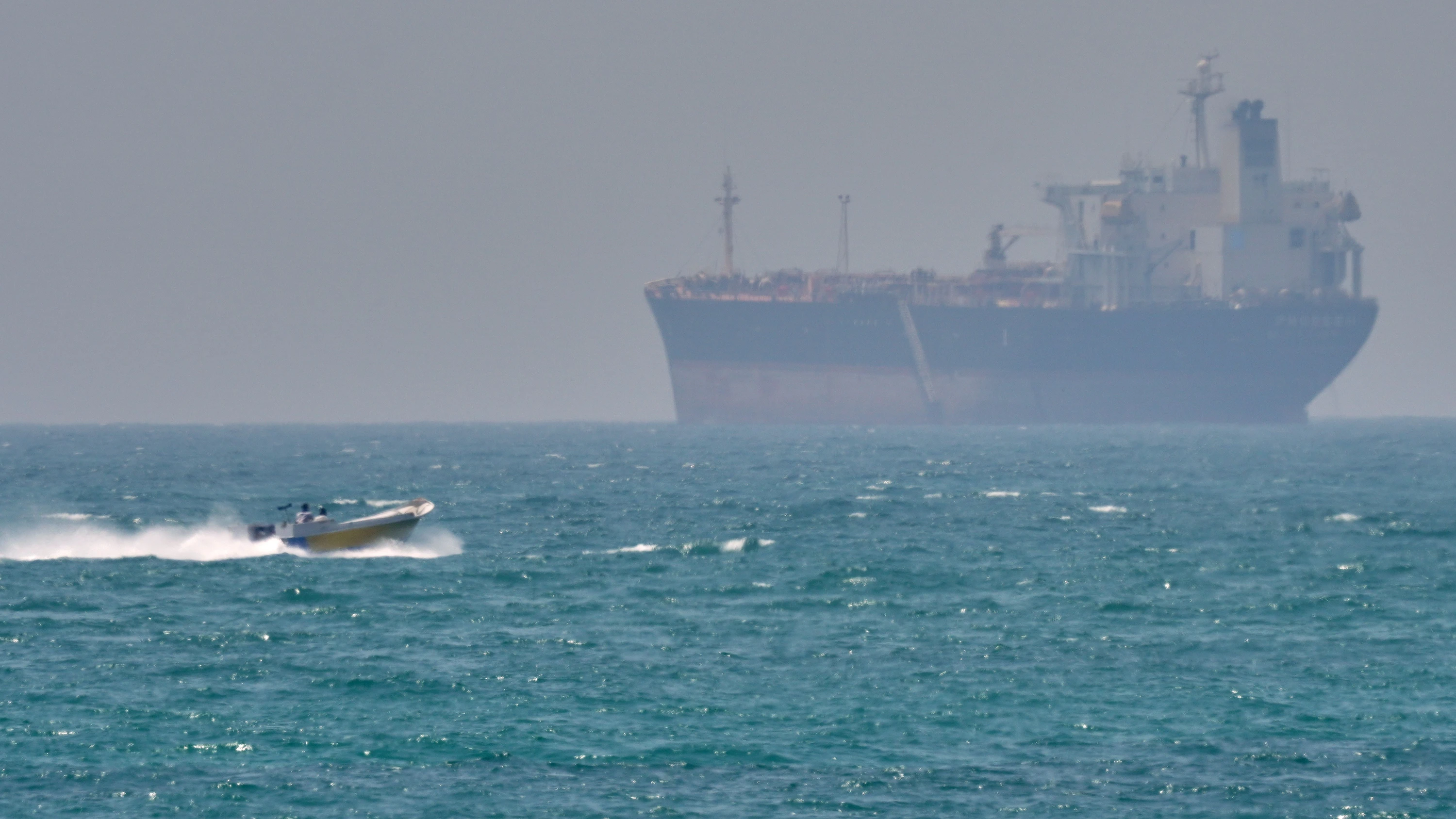
The tension created in the Middle East due to the ongoing war between America and Iran is also responsible for the Diet Coke Crisis, which is making this problem even more complex. Due to geopolitical tensions, shipping routes have been disrupted and the cost of freight transportation has increased manifold. Due to this, we are also facing delays in the import of aluminum cans and raw materials.
Globally, aluminum prices on the London Metal Exchange have reached a four-year high of $ 3,672 per tonne earlier this month. Its price in India has become around Rs 375 per kg. According to Reuters, the global aluminum market has suffered a major setback.
The Middle East has the capacity to smelt about 7 million metric tons of aluminium, which is about 9% of the global supply. Although this region may not be at the top in production, the disruptions created here have a major impact on global trade flows and supply chains. It is expected in the report that if the issue regarding important routes like Hormuz Strait is not resolved then the supply may reduce even further.
—- End —-