








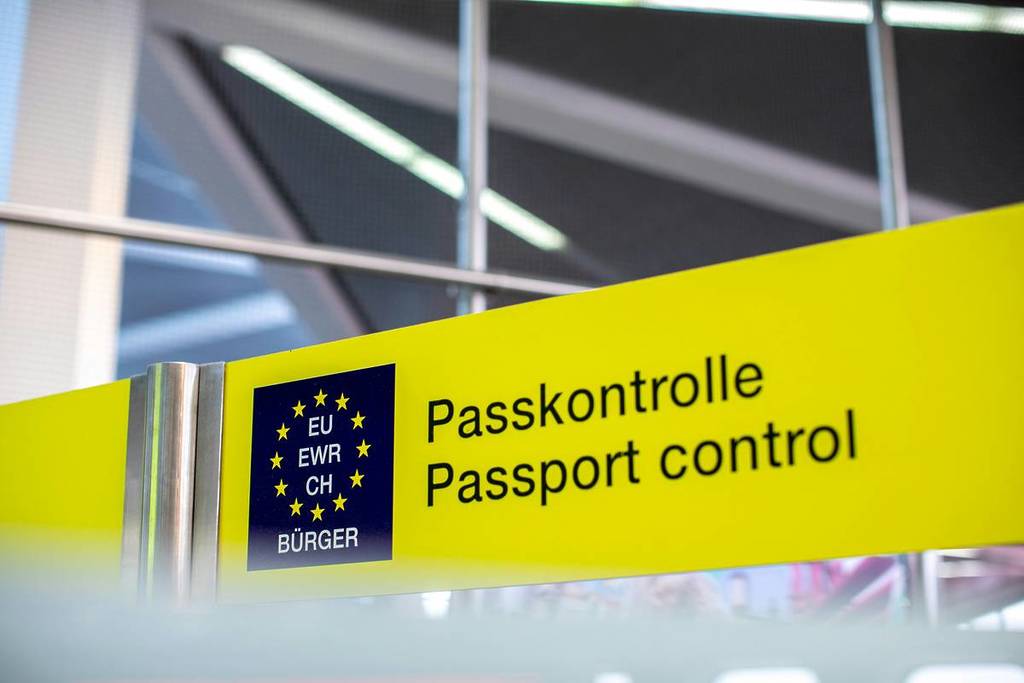
With the holiday season approaching, British travellers heading to Europe are being urged to prepare for a landmark shift in border control procedures.
From October 12, a new digital Entry/Exit System (EES) will come into force across much of the continent, requiring all non-EU nationals, including British citizens, to register personal data when entering participating countries for short stays.
What is the ESS and who does it apply to?
The EES replaces manual passport stamping with a biometric and data-driven process. It impacts non-EU travellers visiting for up to 90 days within any 180-day period, affecting holidays, short business trips, and cross-border travel in the Schengen Area.
Countries that will have ESS
Countries adopting the EES include Austria, Belgium, Bulgaria, Croatia, Czechia, Denmark, Estonia, Finland, France, Germany, Greece, Hungary, Iceland, Italy, Latvia, Liechtenstein, Lithuania, Luxembourg, Malta, the Netherlands, Norway, Poland, Portugal, Romania, Slovakia, Slovenia, Spain, Sweden and Switzerland.
Even those who do not require a visa for short visits must comply, except for some exemptions such as family members of EU citizens with a residence card.
What travellers need to do at passport control
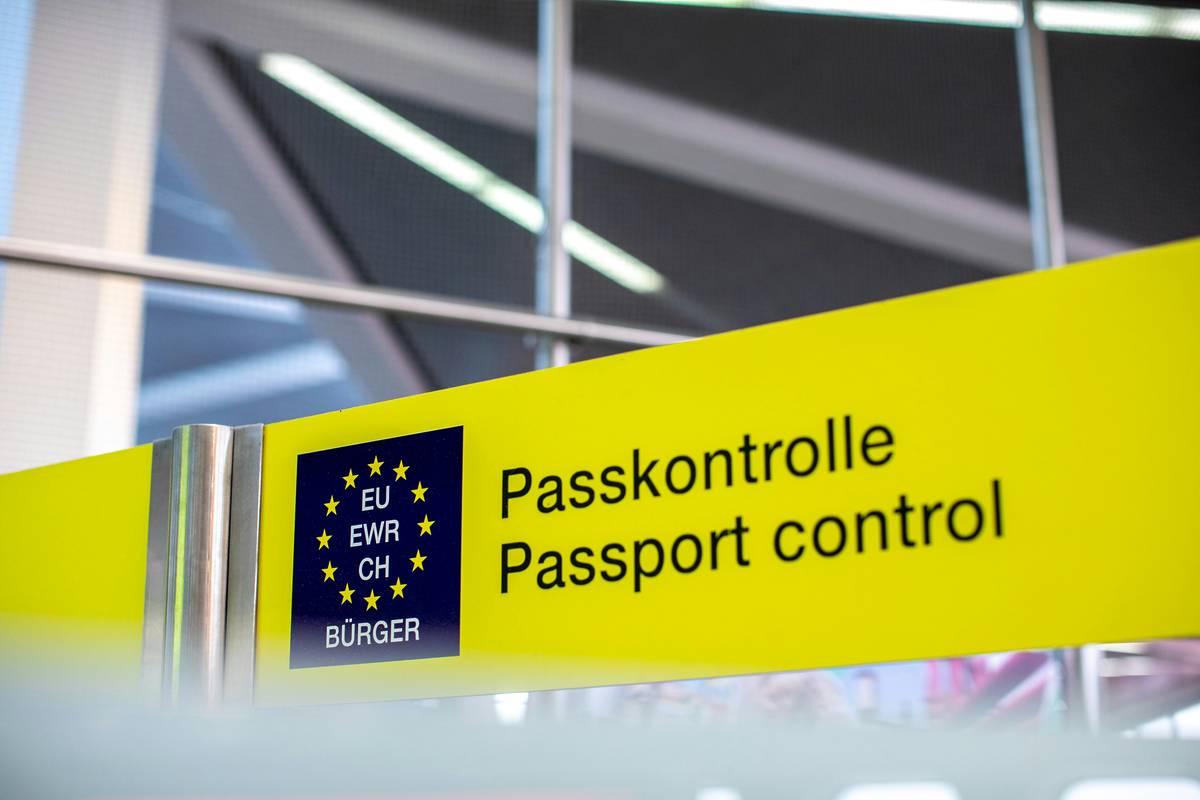
Upon first arrival after the launch, travellers will be required to provide biometric data – usually a scan of fingerprints and/or a facial photograph at border control. Passport officers may ask visitors to register details at a self-service kiosk or, where available, through a mobile app. Those aged under 12 will only need a photo taken.
After initial registration, future crossings should be quicker, as passport control will simply verify stored data. E-passport holders can use self-service gates, identified by a small gold camera logo on the passport. However, additional time should be budgeted for possible queues and registration steps, especially during peak travel.
ETIAS arrives in 2026
Looking ahead, the autumn of 2026 is set to herald another major change: the European Travel Information and Authorisation System (ETIAS). ETIAS will require British visitors and other visa-exempt nationals to apply online for authorisation before travelling to participating countries.
The authorisation costs £17.30 (or €20) and is valid for up to three years, or until the passport expires. Applications can be completed online, and those under 18 or over 70 are exempt from the fee.
ETIAS authorisation must be linked to a valid passport and does not guarantee entry. Border officers retain the right to request relevant documents and check entry conditions on arrival.
Travel advice for Brits
Travel professionals recommend allowing extra time for border procedures when heading to Europeespecially as the new system beds in. Registration may be streamlined via self-service machines or apps, but delays are possible while the scheme is rolled out.
From late 2026, Britons should be ready to pay for and apply for ETIAS authorisation before travel. Frequent EU visitors and those with new passports will need to ensure their authorisation is current and linked to their latest document.
As millions of trips are expected to be affected by both the EES and ETIAS in the next year, checking official requirements and building additional time into travel plans is essential for seamless journeys.