






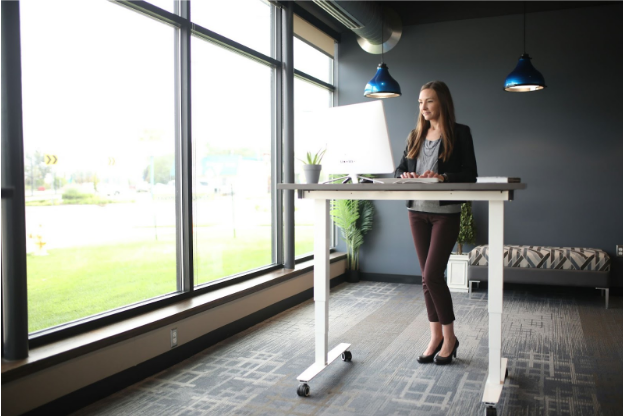
The modern workplace is undergoing a fundamental shift. As hybrid working, flexible hours and wellbeing-led office design become the norm in 2026, one issue continues to dominate conversations around employee health and performance: prolonged sitting. With many professionals spending upwards of seven hours a day at a desk, sedentary behaviour has emerged as one of the most significant – and preventable – health risks of our time.
Against this backdrop, height adjustable desks have moved from niche office upgrade to workplace essential. No longer reserved for tech companies or early adopters, these desks are now widely recognised as a practical solution to improving health, productivity and long-term wellbeing at work.
A sedentary crisis hiding in plain sight
Medical research has repeatedly shown that excessive sitting is linked to serious health conditions, including cardiovascular disease, obesity, type 2 diabetes and certain cancers. In an era where work is increasingly digital, the physical demands of the job have all but disappeared, leaving many workers stuck in static postures for hours on end.
Health experts now describe prolonged sitting as “the new smoking” – a stark comparison that reflects the scale of the issue. Height adjustable desks address this problem directly by allowing users to alternate between sitting and standing throughout the day, reducing continuous sedentary time without disrupting workflow.
Improved physical health without disrupting work
One of the most compelling advantages of height adjustable desks is how seamlessly they integrate into daily routines. Unlike structured exercise breaks, standing requires no planning, no special clothing and no loss of productivity. Simply raising the desk for certain tasks – such as emails, calls or reading – introduces movement back into the working day.
Studies have shown that replacing just a few hours of sitting with standing can have measurable health benefits, including improved circulation, reduced lower back pain and better posture. Over time, this reduction in static sitting helps lower the risk of obesity-related conditions and musculoskeletal issues commonly associated with desk-based jobs.
Productivity gains backed by research
The benefits of height adjustable desks extend beyond physical health. Productivity and focus are also closely linked to posture and movement. Research from academic institutions and workplace studies consistently shows that employees who use sit-stand desks experience noticeable improvements in output and concentration.
Standing encourages greater alertness, helping to combat the familiar mid-afternoon slump. Workers often report feeling more engaged, energised and mentally sharp when alternating between sitting and standing. In roles that require sustained attention or problem-solving, these small physiological changes can have a significant cumulative effect on performance.
Reducing pain and discomfort at the source
Back, neck and shoulder pain remain some of the most common causes of workplace discomfort and absenteeism. Traditional fixed-height desks force users into prolonged seated positions that place strain on the spine and surrounding muscles.
Height adjustable desks allow users to change posture regularly, reducing pressure on the lower back and encouraging a more neutral spinal position. Over time, this movement helps prevent stiffness and discomfort from building up, making long working days more manageable and sustainable.
Mental wellbeing and energy levels
The relationship between physical movement and mental health is well established. Standing during the workday has been linked to reduced stress, improved mood and lower fatigue levels. Even light movement increases blood flow and oxygen to the brain, supporting cognitive function and emotional regulation.
In 2026, with burnout and stress continuing to dominate workplace wellbeing discussions, height adjustable desks offer a simple yet effective intervention. Employees who feel physically better are more likely to feel mentally resilient, engaged and motivated – benefits that extend well beyond the desk itself.
Cardiovascular health and metabolic benefits
Prolonged sitting has been shown to negatively affect cardiovascular health and blood sugar regulation, even among individuals who exercise regularly outside work hours. Standing activates large muscle groups, increasing energy expenditure and supporting healthier metabolic function throughout the day.
By breaking up long periods of sitting, height adjustable desks help mitigate these risks. While standing is not a replacement for exercise, it plays an important role in creating a more active baseline for daily movement – particularly for office-based professionals.
Flexible solutions for every workspace
One of the reasons height adjustable desks have become so popular is their adaptability. For those unable to replace an existing desk, height adjustable standing desk converters provide a cost-effective way to introduce sit-stand working without major changes to the workspace.
For larger offices or home workspaces requiring more surface area, l-shaped standing desks offer an ergonomic solution that supports multi-screen setups while maintaining flexibility and comfort.
With a wide range of designs now available, standing desks can be tailored to individual needs, job roles and spatial requirements.
A growing standard, not a passing trend
What was once seen as a workplace perk is now fast becoming an expectation. Organisations across sectors are recognising that investing in ergonomic furniture is not just about employee comfort, but about long-term performance, retention and reduced health-related costs.
As height adjustable desk specialists continue to innovate, desks are becoming quieter, more durable and more intuitive to use. This ongoing development reflects a broader cultural shift towards healthier, more human-centred workplaces.
The future of work is active
In 2026, the question is no longer whether height adjustable desks are beneficial, but whether workplaces can afford to ignore them. With strong evidence supporting their impact on health, productivity and wellbeing, sit-stand desks represent one of the simplest and most effective upgrades any workspace can make.
As work continues to evolve, one thing is clear: the future of productivity isn’t about sitting still for longer—it’s about moving smarter throughout the day.