







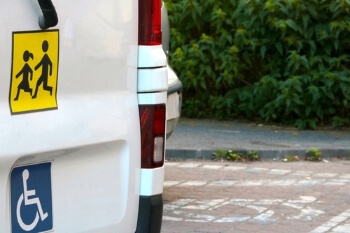
MPs have warned that Government reforms to the special educational needs and disabilities (SEND) system leave significant unanswered questions about home-to-school transport funding.
In a new report, the Public Accounts Committee said plans to tackle spiralling local authority deficits fail to address the rapidly rising cost of transport for pupils with SEND.
The Government recently announced it will write off 90% of historic SEND overspending—expected to exceed £5bn by March 2026—and move funding into central budgets from 2028–29.
However, the Department for Education has yet to explain how councils will manage deficits that emerge before then, or how transport costs will be covered.
Spending on home-to-school transport has risen by 106% in real terms since 2015–16, reaching around £2.5bn annually.
The PAC also highlighted a ‘cliff-edge’ for support after age 16, with many parents struggling to navigate the system.
The committee urged ministers to clarify funding plans and improve local transport options to reduce costs.
Cllr Amanda Hopgood, chair of the Local Government Association’s Children, Young People and Families Committee, said the Government’s decision to write off historic SEND overspending gave councils ‘breathing space’.
However, she added that the ‘Government must commit to ensuring that all DSG (Dedicated Schools Grant) deficits are written off, ahead of the statutory override ending in March 2028. It should also provide additional funding for councils to meet the growing need for home to school transport for children and young people with SEND.’
A Department for Education spokesperson said: ‘We are proud to have set out our once-in-a-generation reforms to the SEND system which will transform the lives of millions of young people.
‘Home to school transport costs have escalated sharply in recent years, driven mostly by the distances many children currently have to travel because local schools are not equipped to meet their needs. Our reforms will change that, putting the right support in schools so no child has to travel miles just to access the education they deserve.’




