









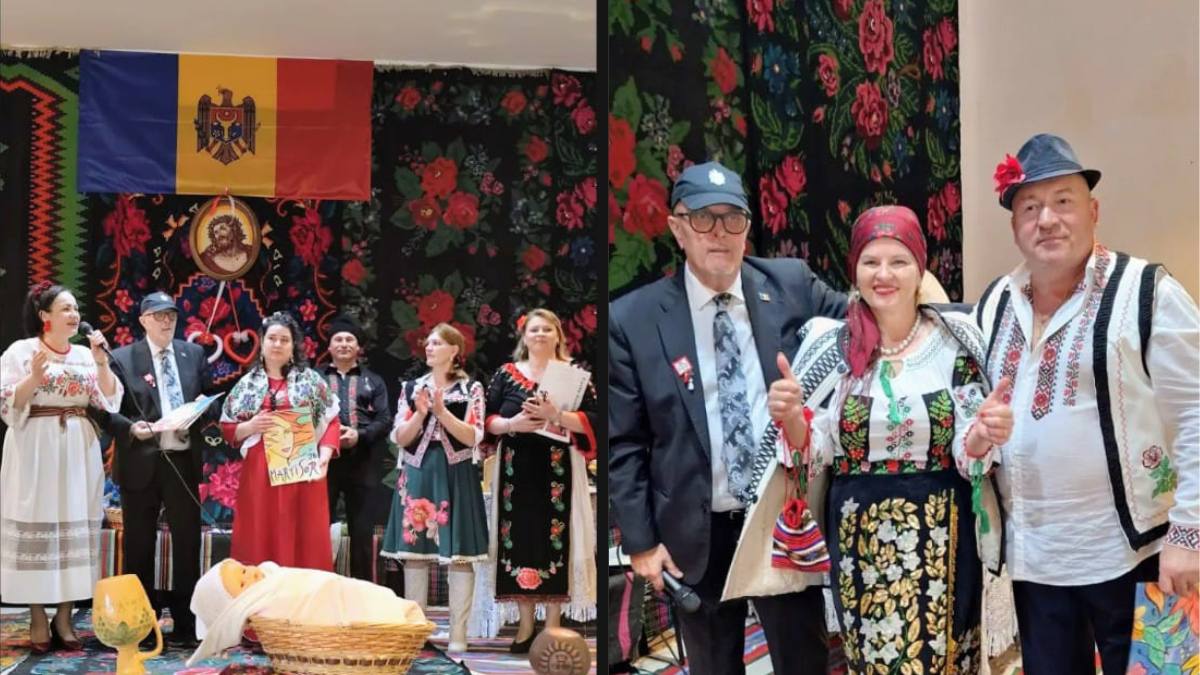
Moldovan March in Jesi, Italy: tradition, emotion and community in a spring celebration. The community of Moldovans in the Italian region of Marche brought spring closer to home with an event full of color and excitement. On Sunday, March 1, the city of Jesi hosted for the first time The celebration of March organized by the Moldovan communityan authentic celebration of traditions that brought together hundreds of participants under a clear early spring sky.
The atmosphere was one of celebration, and the city was filled with symbols of the rebirth of nature and hope. The martișor, the small talisman tied with red and white threads, has become the symbolic bridge between past and present, between Moldovan tradition and Italian culture. The event demonstrated that traditions can transcend borders and bring people together in a spirit of conviviality and integration.
An old tradition, recognized by UNESCO
Martișor has its origins in ancient pre-Christian beliefs, related to the cult of the sun and the god Mars, symbolizing the coming of spring and the renewal of nature. The importance of this tradition is recognized worldwide: since 2017, Mărțişorul has been included in the list of UNESCO’s intangible cultural heritage of humanity.
In Jesi, the event brought together an important part of the approx 7,000 Moldovans living in the Marche regiondemonstrating how strong the attachment to traditions remains even far from home.

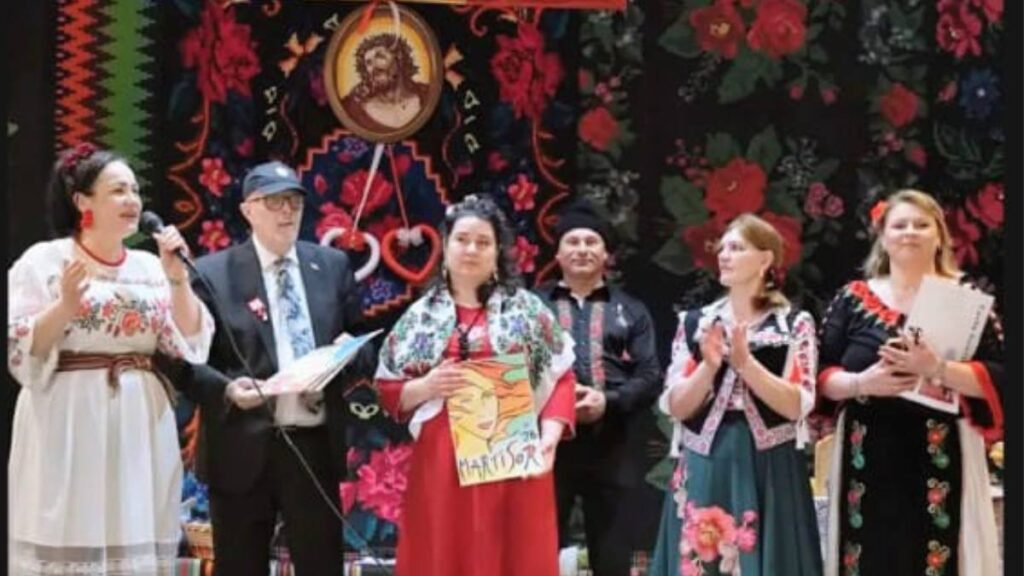
Workshops, gastronomy and artistic moments
The celebration program was rich and diverse. Participants took part in craft workshops where they learned to make martișoareusing the traditional red and white threads, symbols of friendship, health and luck. Children and adults worked together, rediscovering old techniques and strengthening the sense of belonging to the community.
Moldovan cuisine was also a major attraction. Visitors had the opportunity to taste traditional dishes such as mămăliga and cozonaccarefully prepared by housewives settled in Marche. The dishes were appreciated not only by the Moldovan community, but also by the Italian public, contributing to a beautiful culinary fusion and promoting cultural and tourist exchanges between Italy and the Republic of Moldova.
The atmosphere was enlivened by folk dances and folk musicwhich brought participants of all ages to the ring. The children recited poems and told traditional stories, bringing back old but still alive customs. A particularly emotional moment was the recital of the children’s choir of the Orthodox Parish in Porto Potenza, coordinated by priestess Angela Bonari.
Officials and integration messages
The event enjoyed the participation of some important personalities, among them The Ambassador of the Republic of Moldova in Italy, Oleg Nicabut also the honorary consuls Roberto Galanti and Nicoletta Gagliani.
Among the guests was also Beatriz Colombo, deputy of the Italian Republic and president of the UIP Italy-Moldova bilateral sectionwho emphasized the importance of intercultural dialogue and the strengthening of relations between the two peoples.
It was a symbolic and emotional moment the inaugural ribbon cuttingaccompanied by the blessing offered by Father Oleg Bonari from the Romanian Orthodox Diocese of Italy, emphasizing the spiritual and community dimension of the celebration.
Art, a bridge between traditions
The artist Carlo Gentili brought a special artistic touch to the event. Through drawings inspired by the symbolism of Marțișor, he managed to capture the essence of the tradition and offer a visual tribute to this celebration, contributing to keeping alive the memory of this special day.
A celebration that promises to continue
The celebration of March in Jesi turned out to be much more than a simple cultural event. It was a true festival of unity and integrationwhere traditions became a common language between communities.
The organizers of the event, Adriana Mironov and Anișoara Corneareaffirmed their desire to continue promoting Moldovan culture in Italy and to build solid bridges between communities.
In a world where cultural roots are sometimes at risk of being forgotten, the March celebrated in Jesi has become a symbol of hope, identity and a richer cultural future for both peoples.
an article of Adriana Weissenbacher


