








(Guest Post)
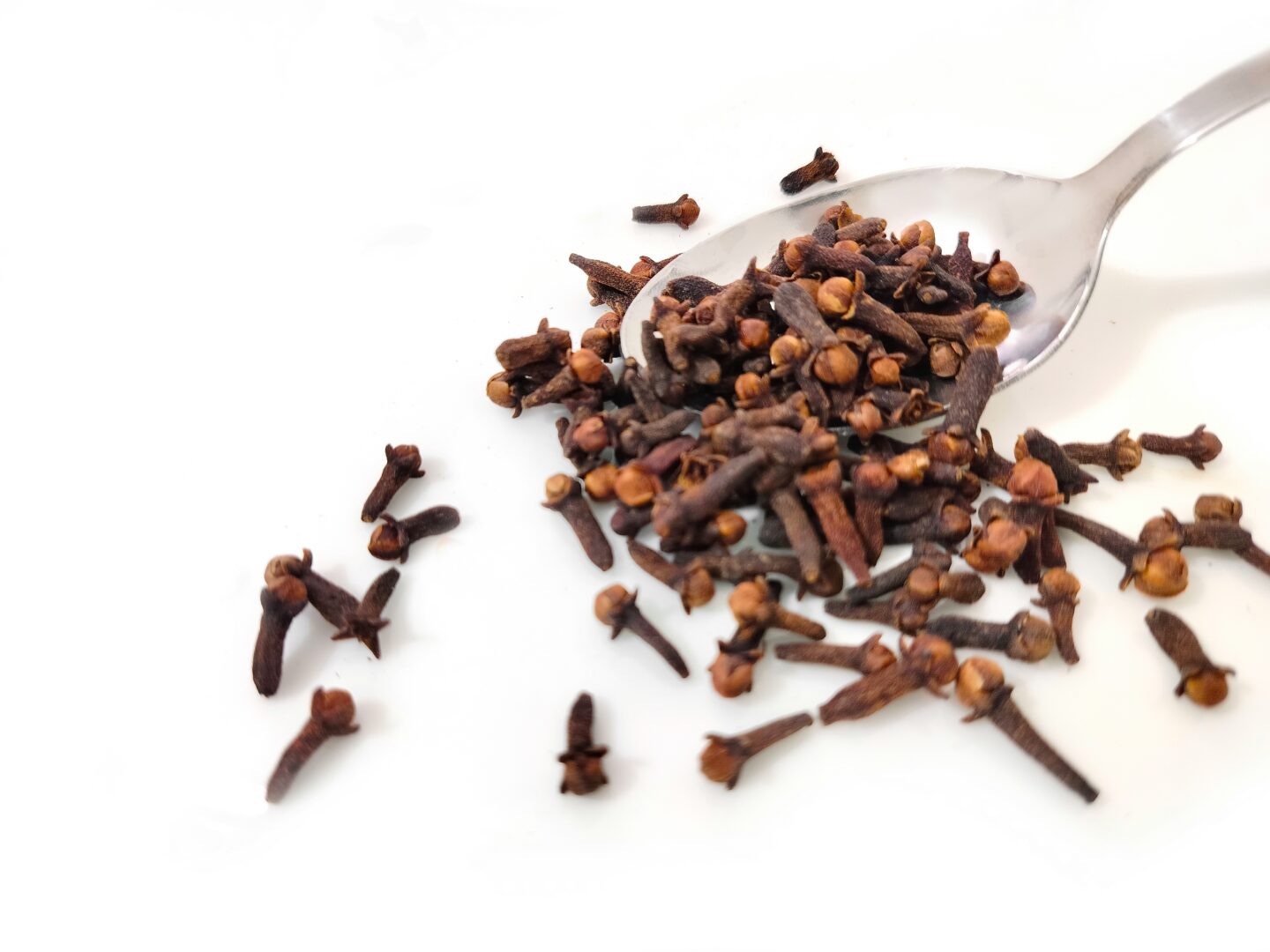
Cloves are small dried flower buds that pack a powerful punch for skin health. Most people know them as a kitchen spice, but these tiny buds contain natural compounds that can transform how skin looks and feels. Cloves contain eugenol, antioxidants, and antibacterial properties that help fight acne, reduce signs of aging, and promote a clearer complexion.
The benefits of cloves for skin come from their rich nutritional profile. They contain vitamins, minerals like manganese and potassium, and plant compounds that work together to address common skin concerns. For centuries, traditional medicine systems have used cloves to treat various health issues, and modern skincare has started to recognize their value.
This article explores how cloves support healthy skin and provides practical ways to use them. Readers will learn about specific benefits like reduced inflammation, better skin texture, and protection against damage. The guide also covers safe methods to add cloves to a daily skincare routine.
Key Benefits of Cloves for Skin Health
Cloves contain eugenol, a powerful compound that provides antioxidant, antimicrobial, and anti-inflammatory effects. These properties make cloves useful for protecting skin cells, fighting acne-causing bacteria, and reducing redness or irritation.
Antioxidant Properties and Skin Protection
Cloves contain high levels of antioxidants that protect skin from damage caused by free radicals. Free radicals are unstable molecules that break down collagen and elastin, which leads to wrinkles and sagging skin. The main antioxidant in cloves is eugenol, which makes up about 70-90% of clove oil.
These antioxidants help neutralize harmful molecules before they damage healthy skin cells. Research shows that cloves rank among the highest antioxidant-rich spices available. The benefits of cloves for health extend to skin protection through vitamin C and vitamin K content, which support skin repair and regeneration.
Regular use of clove-based products may help slow visible signs of aging. The antioxidants in cloves also shield skin from environmental stressors like pollution and UV radiation. This protection helps maintain a more even skin tone and reduces the appearance of dark spots over time.
Antimicrobial Effects on Acne and Blemishes
Cloves possess strong antimicrobial properties that combat acne-causing bacteria. The eugenol compound in cloves works against Propionibacterium acnes, the main bacteria responsible for acne breakouts. This natural antibacterial action helps reduce the number of pimples and prevents new ones from forming.
Studies demonstrate that clove oil can kill various strains of bacteria and fungi that affect skin health. This makes cloves effective for treating minor skin infections and reducing inflammation around blemishes. The antibacterial properties also help keep pores clean and prevent the buildup of dead skin cells that lead to blackheads.
Cloves offer a natural alternative for those who want to address acne without harsh chemicals. However, clove oil must be diluted with a carrier oil before application to avoid irritation. The antimicrobial benefits work best as part of a consistent skincare routine rather than as a spot treatment alone.
Anti-Inflammatory Role in Calming Irritation
The anti-inflammatory compounds in cloves help reduce redness, swelling, and discomfort in irritated skin. Eugenol acts as a natural anti-inflammatory agent that blocks certain enzymes responsible for inflammation. This property makes cloves useful for calming sensitive skin and reducing flare-ups.
People with conditions like rosacea or eczema may find relief through diluted clove applications. The spice helps soothe irritated patches and reduces the itching sensation that often accompanies inflamed skin. Cloves also contain compounds like flavonoids that support the skin’s natural healing process.
The anti-inflammatory effects work on both visible and internal inflammation. This dual action helps improve overall skin texture and reduces the appearance of enlarged pores. For best results, users should start with small amounts of properly diluted clove preparations to test their skin’s response before regular use.
How to Incorporate Cloves Into Skincare
Cloves can be added to skincare through topical treatments like face masks and diluted oils, proper safety measures help prevent skin irritation, and consuming cloves supports skin health from within.
Topical Applications and Homemade Remedies
Clove face masks offer a simple way to harness the spice’s skin benefits. A basic mask combines 1 teaspoon of clove powder with 2 tablespoons of honey. The mixture sits on the skin for 10 to 15 minutes before removal with lukewarm water.
For acne-prone skin, a blend of clove powder with plain yogurt creates a soothing treatment. The person applies a thin layer to problem areas and leaves it for 15 minutes. Another effective combination pairs ground cloves with aloe vera gel, which calms inflammation while targeting blemishes.
Clove-infused water serves multiple purposes in skincare routines. One prepares this by soaking 5 to 6 whole cloves in a cup of water overnight. The strained liquid works as a facial toner to reduce excess oil and tighten pores.
A gentle exfoliant forms from mixing finely ground cloves with coconut oil or jojoba oil. The person massages this scrub onto damp skin in circular motions once or twice per week. This combination removes dead skin cells while the oils prevent over-drying.
Clove Oil Safety and Usage Guidelines
Clove essential oil requires dilution before any skin application. The compound eugenol exists in high concentrations and causes burns or severe irritation on bare skin. A safe ratio mixes 1 to 2 drops of clove oil with 1 tablespoon of carrier oil such as coconut, almond, or jojoba oil.
Patch tests must occur before full application. The person applies a small amount of the diluted mixture to the inner forearm and waits 24 hours. Redness, itching, or swelling indicates sensitivity, and the product should not be used on the face.
People with sensitive skin may need even more dilution or should avoid clove oil entirely. Pregnant women should consult healthcare providers before use. The oil must stay away from eyes, mucous membranes, and broken skin.
Storage matters for maintaining potency and safety. Clove oil belongs in a dark glass bottle kept in a cool, dry place. Most carrier oil blends remain effective for up to six months.
Dietary Consumption for Skin Support
Internal consumption of cloves provides antioxidants that protect skin from damage. A person can add 1 to 2 whole cloves to tea or coffee daily. Ground cloves work well sprinkled over oatmeal, smoothies, or baked goods in small amounts.
Clove tea offers concentrated benefits for skin health. Steeping 3 to 4 cloves in hot water for 10 minutes creates a drink rich in anti-inflammatory compounds. Drinking one cup per day supplies antioxidants that fight free radicals and support collagen production.
Moderation remains important because excessive clove intake leads to digestive upset or blood thinning effects. Most experts recommend limiting consumption to 1 to 2 grams of ground cloves per day. The spice complements other skin-friendly foods like leafy greens, berries, and fatty fish.
Conclusion
Cloves offer real benefits for skin health through their natural antibacterial, antifungal, and anti-inflammatory properties. These small flower buds can help address common concerns like acne, dark spots, and signs of aging. However, clove oil must always be diluted with a carrier oil before application to avoid irritation.
People who add cloves to their skincare routine may notice improvements in skin texture and tone over time. The key lies in proper use and consistent application while respecting the potency of this powerful spice.