




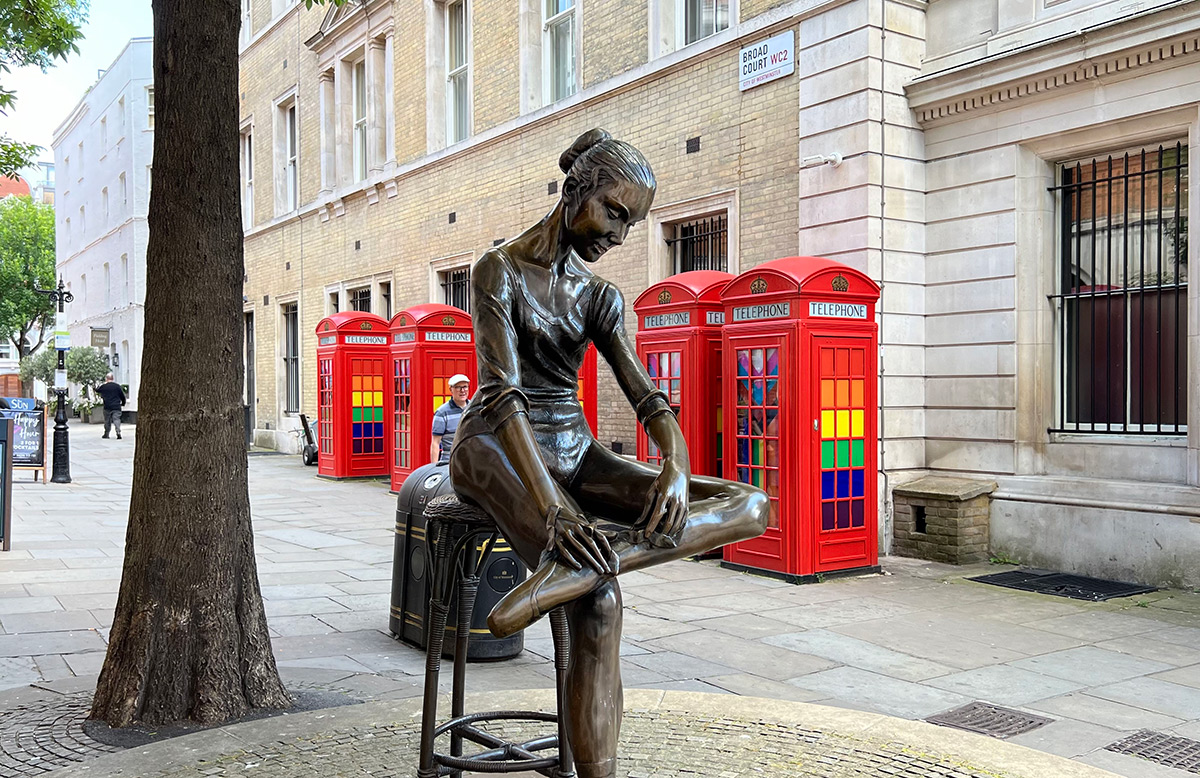




Many long to see the back of dark nights and cold weather with British Summer Time offering hope of lighter evenings and sunshine
Dark nights and cold weather might be fine for the winter months but they are something many look forward to seeing the end of. As the festive season disappears into a distant memory people often start looking forward to the longer days and hopefully warmer weather of spring and summer.
The biggest difference comes when the clocks “spring forward” from Greenwich Mean Time (GMT) to British Summer Time. In 2026 this will be on March 29 and last until October 25 when GMT returns.
However there is also a little-known four-minute rule which means the nights will get shorter throughout March. This means by the end of the 31 days, it won’t be just the extra hour of daylight that people will be experiencing.
Timeanddate.com explains that you get just under four minutes extra daylight every day throughout March. And by the end of the month this makes a significant difference.
While times will vary slightly depending on where you live, in London on March 1 the sun rises at 6.45am and sets at 5.40pm, giving 10 hours, 54 minutes and 53 seconds of daylight. However on March 28 – the day before British Summertime kicks in – the sun will rise at 5.45am and set at 6.26pm meaning there is daylight for 12 hours, 41 minutes and 50 seconds.
By March 31, if you allow for the clocks to go forward, the sun will rise at 6.38am and set at 7.32pm. This means there are 12 hours, 53 minutes and 41 seconds of daylight.
One month later, by April 30, there will be daylight from 5.34am until 8.22pm and by May 31 this will have increased further with sunrise at 4.49am and sunset at 9.07pm.
Time and Date says: “The June solstice (summer solstice) in London is at 09:24 on Sunday, 21 June, 2026.” On this date the sun will rise at 4.43am and set at 9.21pm giving 16 hours, 38 minutes and 22 seconds of daylight.
It adds: “In terms of daylight, this day is 8 hours, 49 minutes longer than the December solstice. In most locations north of the equator, the longest day of the year is around this date. The earliest sunrise is on 17 June. The latest sunset is on 24 June or 25 June.”
Will I gain or lose sleep with British Summer Time?
Royal Museum’s Greenwich says we lose sleep when BST starts. It said: “Unfortunately, the clocks moving forward means that we lose an hour in bed.
“An easy way to remember which way the clocks change at which time of year is to remember that the clocks ‘spring forward’ in spring, and ‘fall back’ in autumn.”
It explained the clock change was down to a campaign more than 100 years ago. It said: “The clocks go forward for the summer because of a campaign at the beginning of the 20th century to change the clocks during the summer months, in a practice known as British Summer Time.
“The original campaign attempted to argue that by changing the clocks during the summer people in the northern hemisphere could make more use of the earlier daylight hours. William Willett – an early promoter of British Summer Time and great-great-grandfather of Coldplay singer Chris Martin – published a pamphlet in 1907 titled ‘The Waste of Daylight’, which suggested changing the clocks in the spring and putting them back in the autumn.
“However, Willett’s proposal was complicated, involving advancing the clocks by 80 minutes in four separate moves of 20 minutes each. Willett died in 1915. A year later Parliament passed the Summer Time Act, which established the practice of putting the clocks an hour forward during the summer.”
Ensure our latest headlines always appear at the top of your Google Search by making us a Preferred Source. Click here to activate or add us as your Preferred Source in yo