








ThermoPest, a London-based pest control provider offering national coverage, has observed a significant increase in the cost of bed bug remediation across the UK. The rising trend is impacting hotels, housing associations, councils, student accommodation and assisted living facilities, where infestations are creating heightened operational and financial pressures.
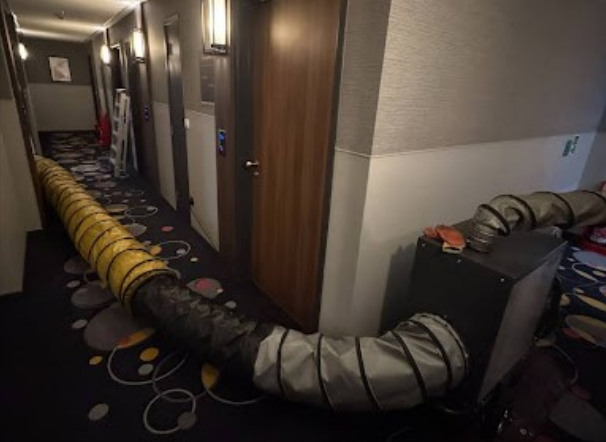
Data from the firm’s treatment records indicates a marked shift toward advanced heat-treatment solutions instead of relying solely on chemical applications. Multi-occupancy accommodation providers are moving in this direction as repeat outbreaks following chemical-only treatments can result in significantly higher expenditure and disruption.
“Hotels, care providers, councils and HMO landlords are facing pressures that go beyond routine maintenance,” said James Rhoades, founder of ThermoPest Pest Control. “For hotels, the economics are immediate — an out-of-service room can quickly impact revenue. For assisted living facilities and council-managed housing, safeguarding requirements mean infestations must be resolved thoroughly. In HMOs and student accommodation, interconnected layouts allow bed bugs to spread rapidly if treatments are inconsistent.”
ThermoPest notes increasing demand for structured, multi-stage treatment plans, including full reporting, education materials and scheduled follow-up inspections. This reflects a broader shift within the sector toward prevention, accountability and formalised response procedures.
The spread of infestations between adjoining rooms remains a key cost driver, particularly in properties with shared utilities, ageing infrastructure or fast resident turnover. As a result, many providers are establishing internal protocols for identification, escalation and preventative monitoring.
“Bed bug control is becoming a risk-management priority for UK accommodation providers,” Rhoades added. “The organisations adopting consistent treatment standards and evidence-based approaches are seeing more predictable outcomes and lower long-term costs.”
ThermoPest expects demand to increase further into 2026, led by continued domestic travel, population mobility and the expansion of high-density housing across the UK.