







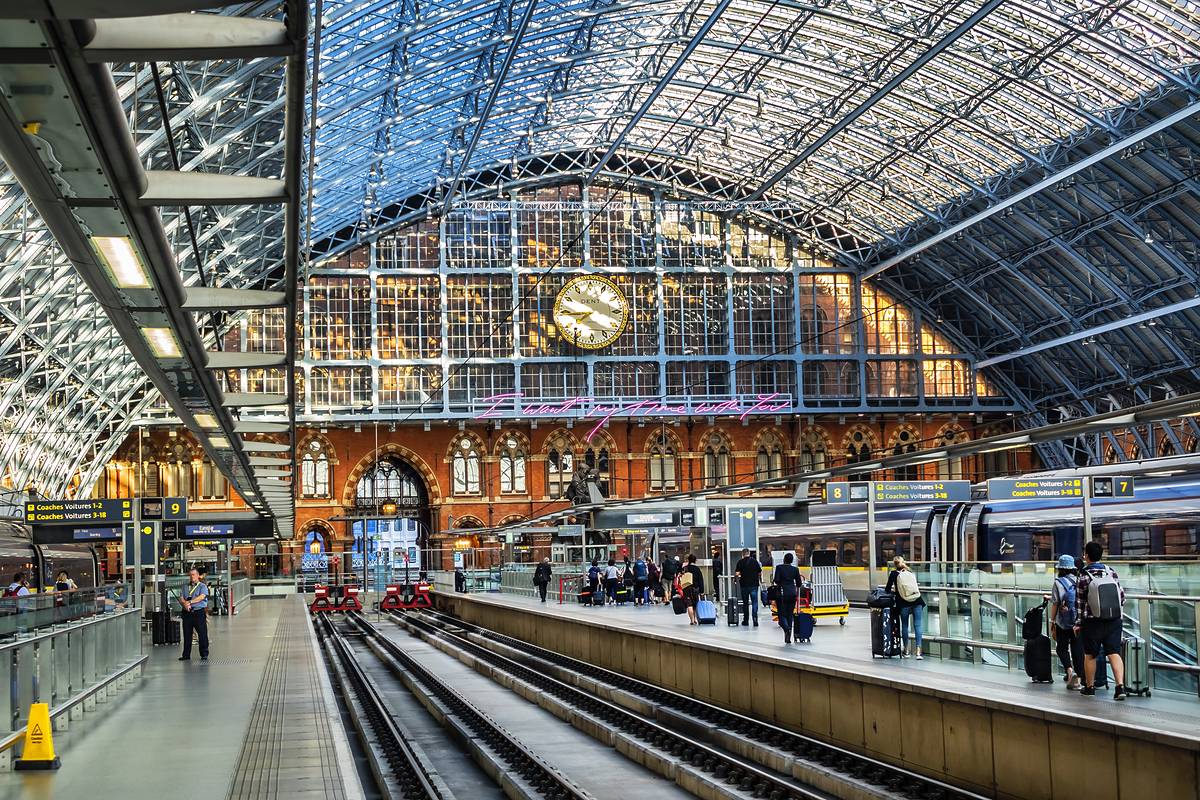

Picture this: you arrive at St Pancras with a coffee and a good book, board a high-speed train, and step out into the heart of Berlin just hours later.
The freshly inked “Kensington Treaty” between the UK and Germany is designed to make that journey possible, breaking through the barriers that have long held back cross-border train travel. Leaders on both sides want to open up direct services and not just to Berlinbut also to hotspots like Cologne and Frankfurt – rekindling the dream of door-to-door connections across Europe by rail.
A landmark agreement between the UK and Germany
The relationship between the UK and Germany is being reset post-Brexitand this treaty is a major step toward stronger cooperation in many fields, including transportation. The plan is to assemble a team of officials and engineers to tackle the biggest obstacles, such as border control, differing technical standards, and safety rules, paving the way to direct rail services.
This isn’t just for business travellers. Part of the wider treaty includes initiatives to boost cultural exchanges, increase tourism, simplify family connections, and offer more straightforward visa processes for students. Regular travellers could also benefit from the rollout of new e-gates at stations for faster border crossings.
A direct train between London and Berlin
Flights between London and Berlin are among Europe’s busiest and carbon-heaviest. A direct train would offer a genuinely low-emissions alternative, slashing the climate impact of hopping across the Channel. For environmentally-minded Londoners, the prospect of swapping an airport dash for a relaxed rail ride holds huge appeal, especially as Eurostar and other operators pour new investment into their fleets.
When would the direct train between London and Berlin begin?
Of course, this isn’t just a matter of laying new tracks and waving a green flag. Past plans for direct trains to Germany have stalled on costs, complicated checks, and the technical maze of getting non-Eurostar trains through the Channel Tunnel.
But for the first time in decades, the stars seem to be aligning. Eurostar’s exclusivity on Channel crossings has ended, new high-speed trains are rolling out, and both sides are talking up the benefits not just for commerce, but for everyday travellers who crave more choice.
Work on the London–Berlin link is just beginning. Over the coming months, experts will dive into route planning, security, and whether border checks happen at stations or on board. No opening date yet, but the hope is regular services could start within the next 10 years, connecting London’s St Pancras to Berlin Central Station at speeds and comfort that rival flying.
For now, it’s a tantalising glimpse of the journeys Londoners could soon be making and not just across the Channel, but across a continent.